
How Are FIBC Bags Manufactured?
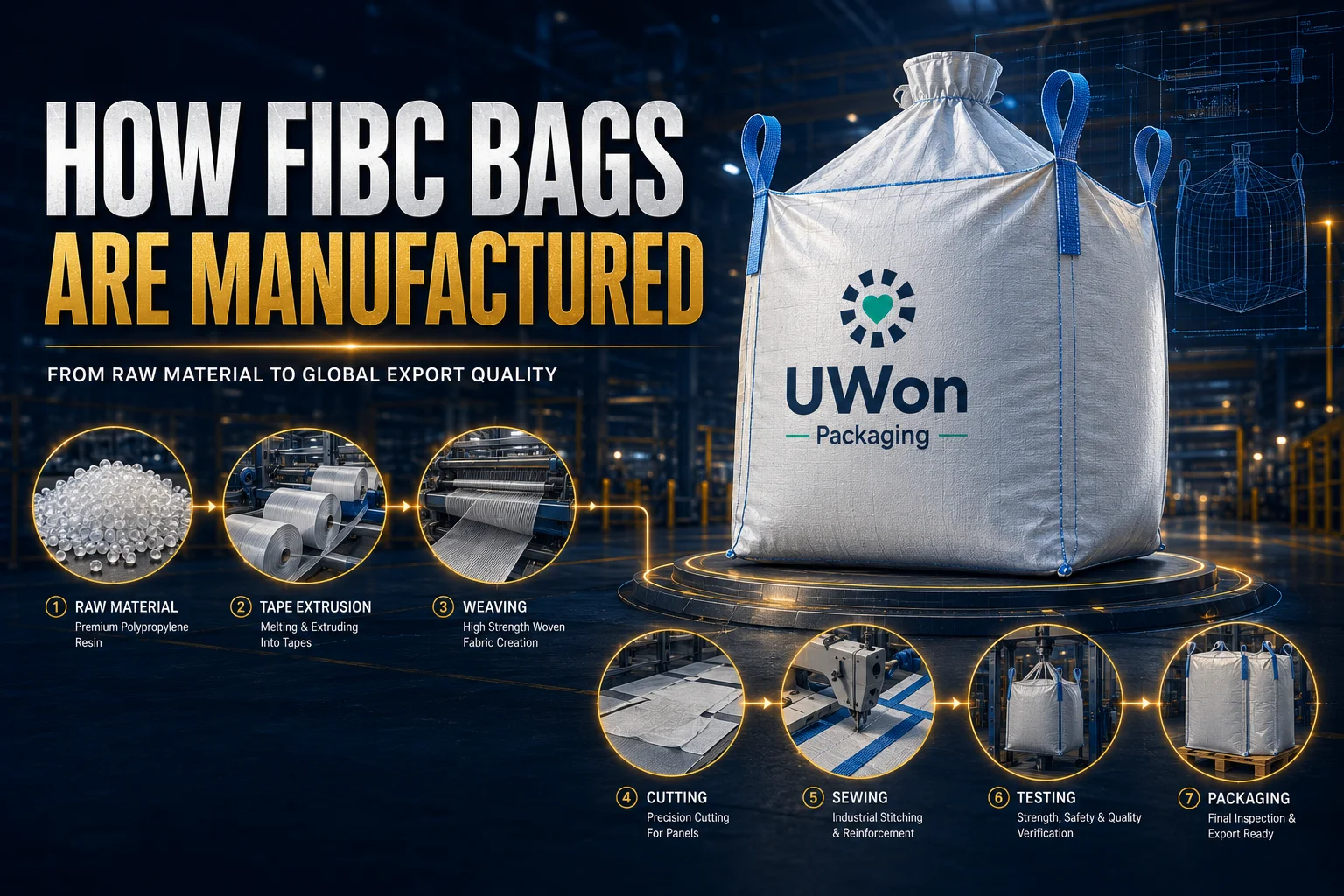
FIBC Bag manufacturing is a detailed industrial process that combines strong raw materials, advanced machinery, and strict quality control standards. Every stage of production plays an important role in ensuring the bag remains safe, durable, and reliable for bulk material handling.
From polypropylene extrusion to final stitching and testing, high-quality FIBC bags are carefully engineered to perform under demanding industrial conditions.
Polypropylene Raw Material Preparation
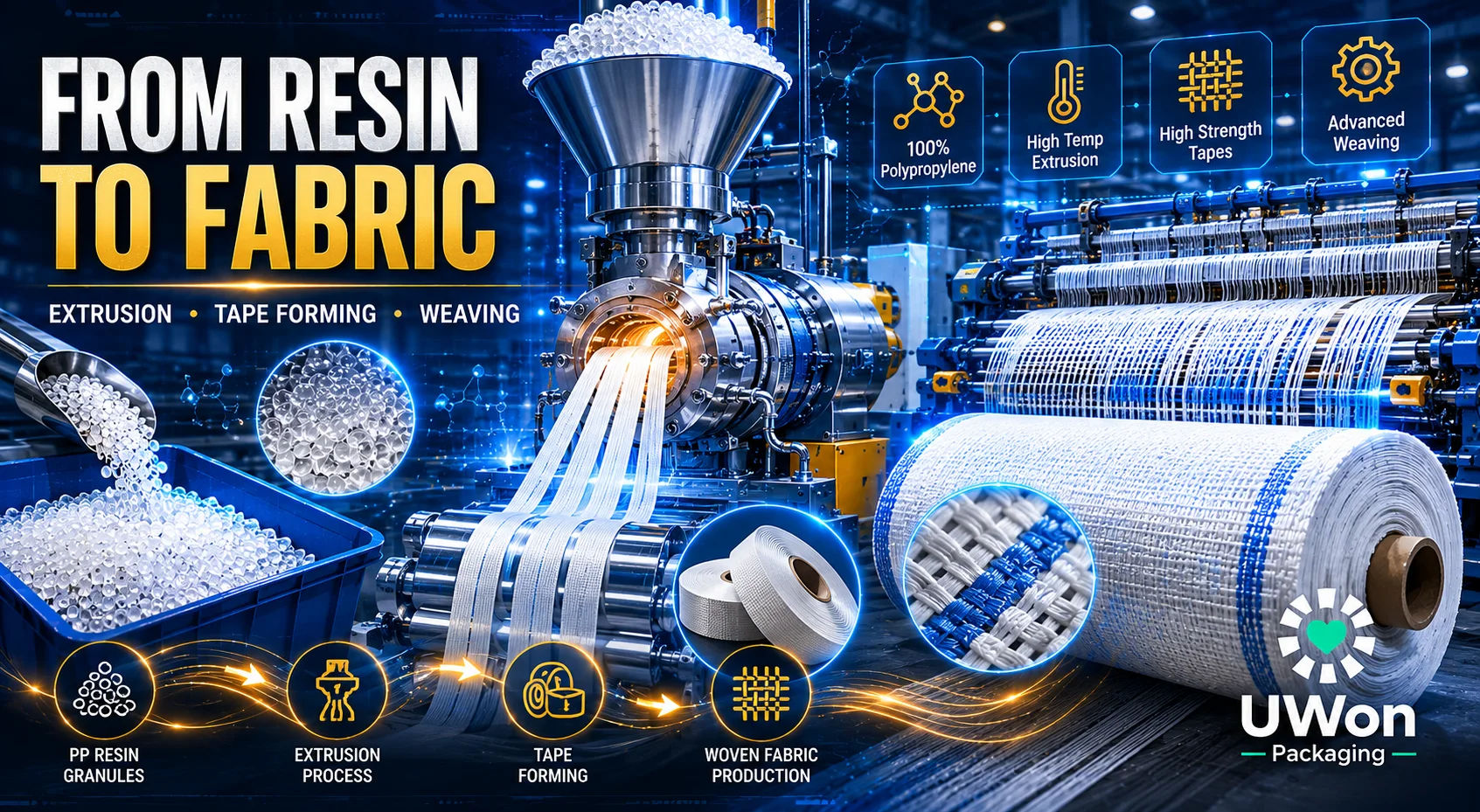
The manufacturing process begins with polypropylene granules, which are the primary raw material used in FIBC bag production. These granules are melted and processed to create strong polypropylene tapes.
The quality of raw materials directly affects the final strength and durability of the bag.
Important Raw Material Features
- High-strength polypropylene
- Durable polymer structure
- Lightweight material
- Moisture resistance
- Industrial-grade quality
Premium polypropylene materials provide excellent tensile strength and flexibility, making them ideal for bulk packaging applications. Manufacturers carefully select raw materials because poor-quality polymers can weaken the final fabric structure.
Industrial-grade polypropylene also offers better resistance against environmental stress, friction, and heavy load pressure during transportation and storage.Using high-quality raw materials helps ensure safer bulk handling operations and longer bag lifespan across industrial applications.
Extrusion and Tape Production
After raw material preparation, polypropylene granules are melted and stretched into thin flat tapes through an extrusion process. These tapes later become the woven fabric used for the FIBC bag body.
The tape manufacturing stage is extremely important because tape strength determines fabric durability.
Key Steps in Tape Production
- Melting polypropylene granules
- Extruding flat tapes
- Stretching for strength
- Cooling process
- Tape winding
Stretching the polypropylene tapes improves molecular alignment, which significantly increases tensile strength. Strong tapes help create durable woven fabric capable of carrying heavy industrial loads. The tapes are carefully cooled and wound onto large rolls before moving to the weaving section of production.Consistent tape thickness and strength are essential for maintaining overall fabric quality and industrial safety standards.
Fabric Weaving Process
The polypropylene tapes are woven together using circular or flat weaving looms to create strong industrial fabric. This woven fabric forms the main structure of the FIBC bag.
Weaving quality directly impacts the bag’s load-bearing capability and durability.
Features of Woven Fabric
- High load strength
- Better tear resistance
- Flexible structure
- Uniform weaving quality
- Long-lasting durability
Tightly woven fabric distributes weight evenly across the bag structure, improving stability during lifting and transportation. Poor weaving quality can create weak points that increase the risk of tearing or seam failure. Advanced weaving machines ensure consistent fabric density and structural reliability throughout production. High-quality woven fabric is one of the most important components in industrial FIBC bag manufacturing.
Fabric Coating and Lamination
Some FIBC bags require additional coating or lamination to improve moisture resistance and product protection. This process adds a protective layer to the woven polypropylene fabric.
Coated fabric is commonly used for powders, chemicals, and moisture-sensitive materials.
Benefits of Fabric Coating
- Moisture resistance
- Leakage prevention
- Improved durability
- Better product protection
- Enhanced fabric strength
Laminated fabric helps prevent fine particles from escaping through the woven structure while also protecting materials from humidity and environmental exposure. Different industries require different coating specifications depending on the type of material being stored and transported.This stage improves packaging performance and increases the reliability of industrial bulk handling operations.
Cutting and Printing
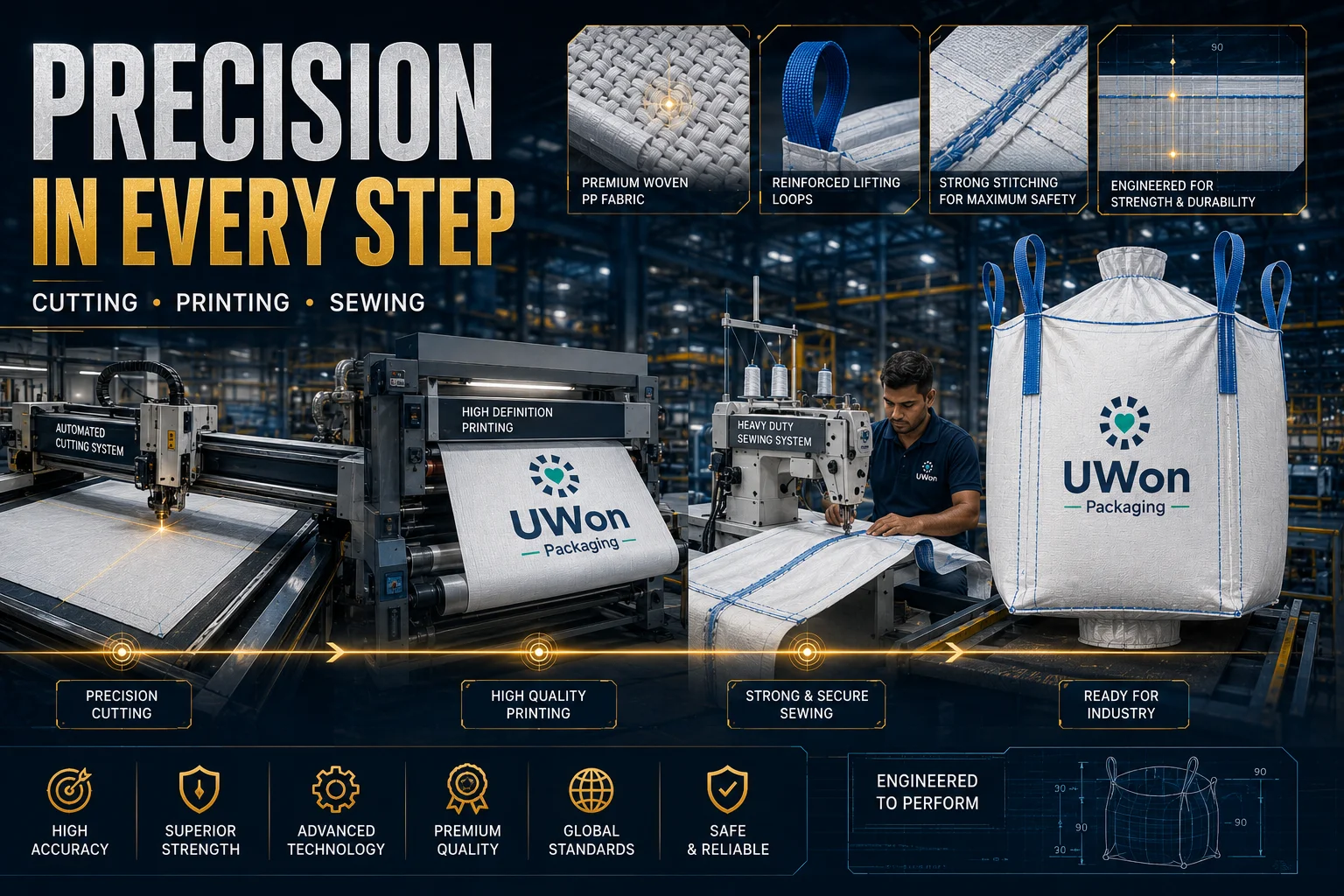
After weaving and coating, the fabric is cut into specific panel sizes according to bag design requirements. At this stage, branding and product information may also be printed on the fabric.
Precise cutting is important for maintaining bag dimensions and structural consistency.
Common Printing Details
- Company branding
- Product information
- Safety instructions
- Load capacity details
- Handling guidelines
Modern cutting systems improve production accuracy and reduce material waste during manufacturing. Industrial printing also helps businesses improve product identification and supply chain management. Accurate panel cutting and printing contribute to overall bag quality and professional industrial packaging presentation.
Stitching and Bag Assembly
The cut fabric panels are stitched together to create the final FIBC bag structure. Reinforced industrial stitching is used at critical stress points for maximum durability.
Proper stitching is essential for safe industrial handling and transportation.
Areas That Require Reinforcement
- Side seams
- Bottom panels
- Lift loop joints
- Filling spouts
- Discharge sections
High-quality stitching distributes weight evenly across the bag and reduces stress concentration during lifting operations. Weak stitching can lead to tearing, leakage, or complete bag failure under heavy loads.
Industrial sewing machines and reinforced threads help improve seam strength and overall bag reliability. Strong stitching is one of the most important factors in FIBC bag safety and long-term performance.
Lift Loop Attachment
Lift loops are attached to the bag body during assembly to allow safe handling using forklifts and cranes. These loops must support the full weight of the loaded bag.
High-strength webbing materials are used for maximum safety.
Features of Quality Lift Loops
- Reinforced attachment stitching
- Heavy-duty webbing
- Balanced load distribution
- High tensile strength
- Improved handling safety
Improper loop attachment is one of the leading causes of industrial bulk bag accidents. Strong attachment techniques improve stability and reduce handling risks during transportation. Well-designed lift loops also improve operational efficiency in warehouses, factories, and logistics centers. Reliable lifting systems are essential for safe bulk material handling operations.
Quality Testing and Inspection
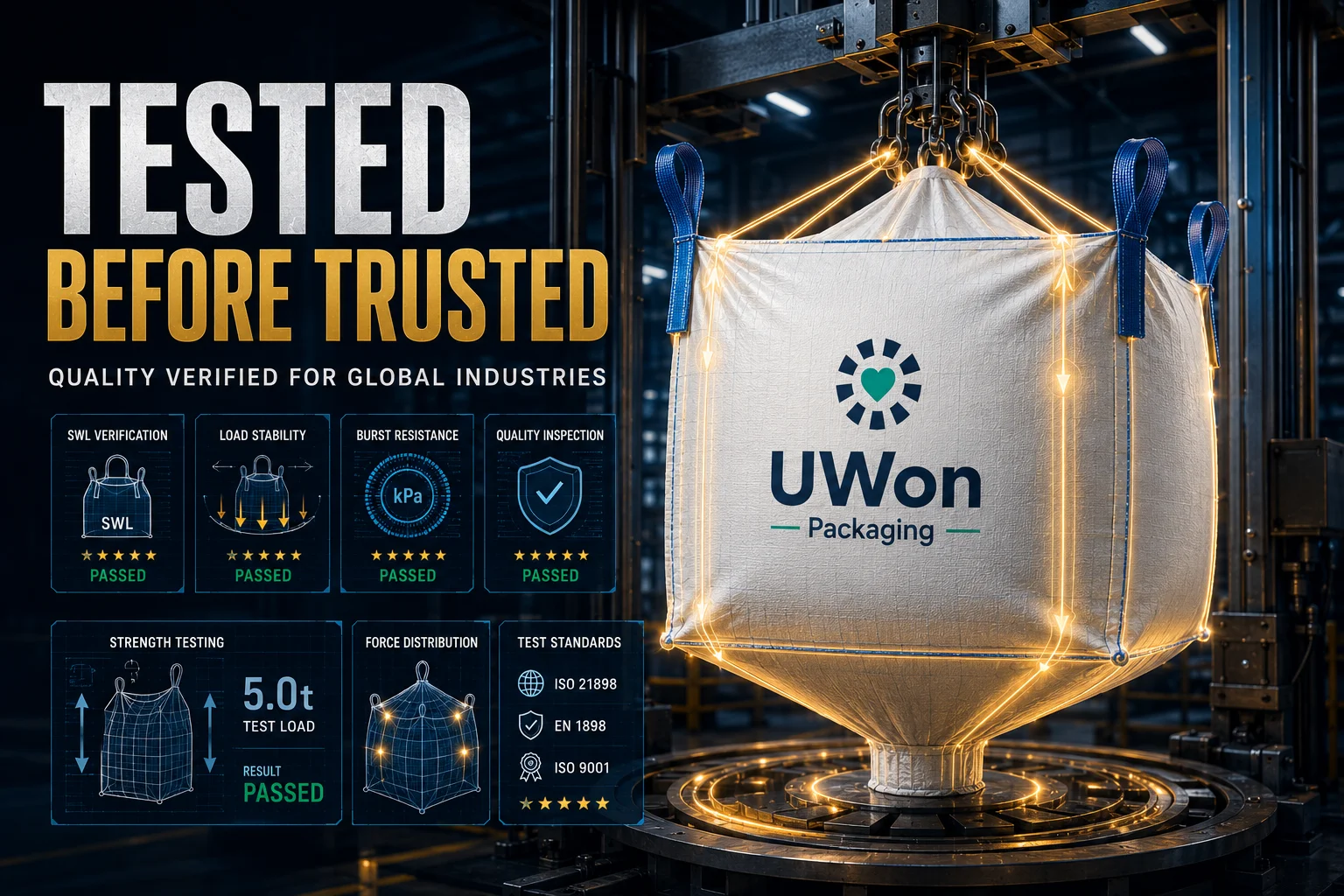
Before delivery, every FIBC bag goes through strict quality checks and industrial testing procedures. Testing helps ensure the bag meets required safety and performance standards.
Quality control is necessary for preventing failures during industrial use.
Important Quality Tests
- Tensile strength testing
- Top lift testing
- UV testing
- Seam strength testing
- Drop testing
- Fabric GSM verification
Testing verifies the structural reliability of the bag under real industrial conditions. It also helps manufacturers identify defects before shipment. Top lift testing checks handling safety, while seam strength testing ensures stitching durability under heavy loads. Strict quality control improves customer confidence and ensures consistent industrial packaging performance.
Packaging and Dispatch
After final inspection, the finished FIBC bags are folded, packed, and prepared for dispatch to customers. Proper packaging protects the bags during storage and transportation.
Efficient packaging also improves logistics and inventory management.
Final Dispatch Process
- Folding and bundling
- Quantity verification
- Packaging protection
- Shipment preparation
- Final inspection approval
Manufacturers carefully package FIBC bags to prevent contamination and handling damage before delivery. Efficient dispatch systems help industries receive packaging solutions quickly and maintain smooth supply chain operations.Proper storage and transportation of finished bags help preserve product quality until final industrial use.
Why Businesses Choose UWON Packaging
Businesses trust UWON Packaging because of its advanced manufacturing processes, premium raw materials, and strict quality standards.
The company produces durable FIBC bags designed for safe and reliable industrial performance.
What Makes UWON Packaging Reliable
- Premium polypropylene materials
- Advanced manufacturing technology
- Strict quality control
- Customized packaging solutions
- Reliable industrial performance
UWON Packaging follows modern production standards at every manufacturing stage to ensure consistency, strength, and safety.
From raw material selection to final testing, every bag is designed to meet demanding industrial handling requirements. Reliable manufacturing processes help deliver long-lasting packaging solutions for agriculture, chemicals, construction, minerals, and food industries.