Blog

FIBC Bags for Carbon Black: Dust, Static and Containment Requirements

FIBC bags for carbon black must deal with a difficult combination of very fine particles, contamination sensitivity, dust generation and potential electrostatic concerns. A generic one-ton bulk bag may carry...
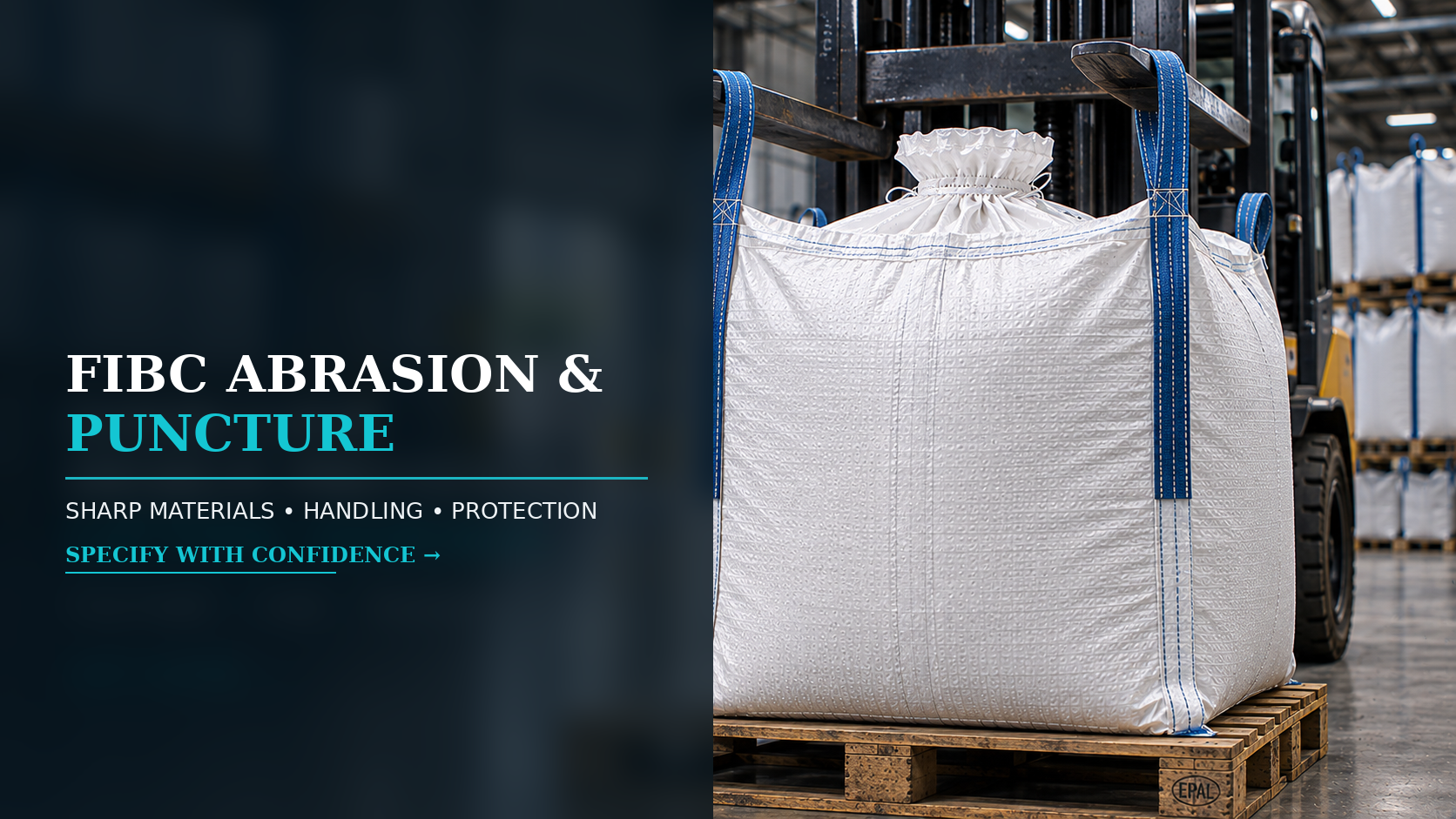
FIBC Abrasion and Puncture Resistance: A Buyer Guide for Sharp Bulk Materials

FIBC abrasion and puncture resistance matters most when the product itself can damage the package. Coarse minerals, sharp granules, metal concentrates, aggregates and irregular particles can rub against the inner...

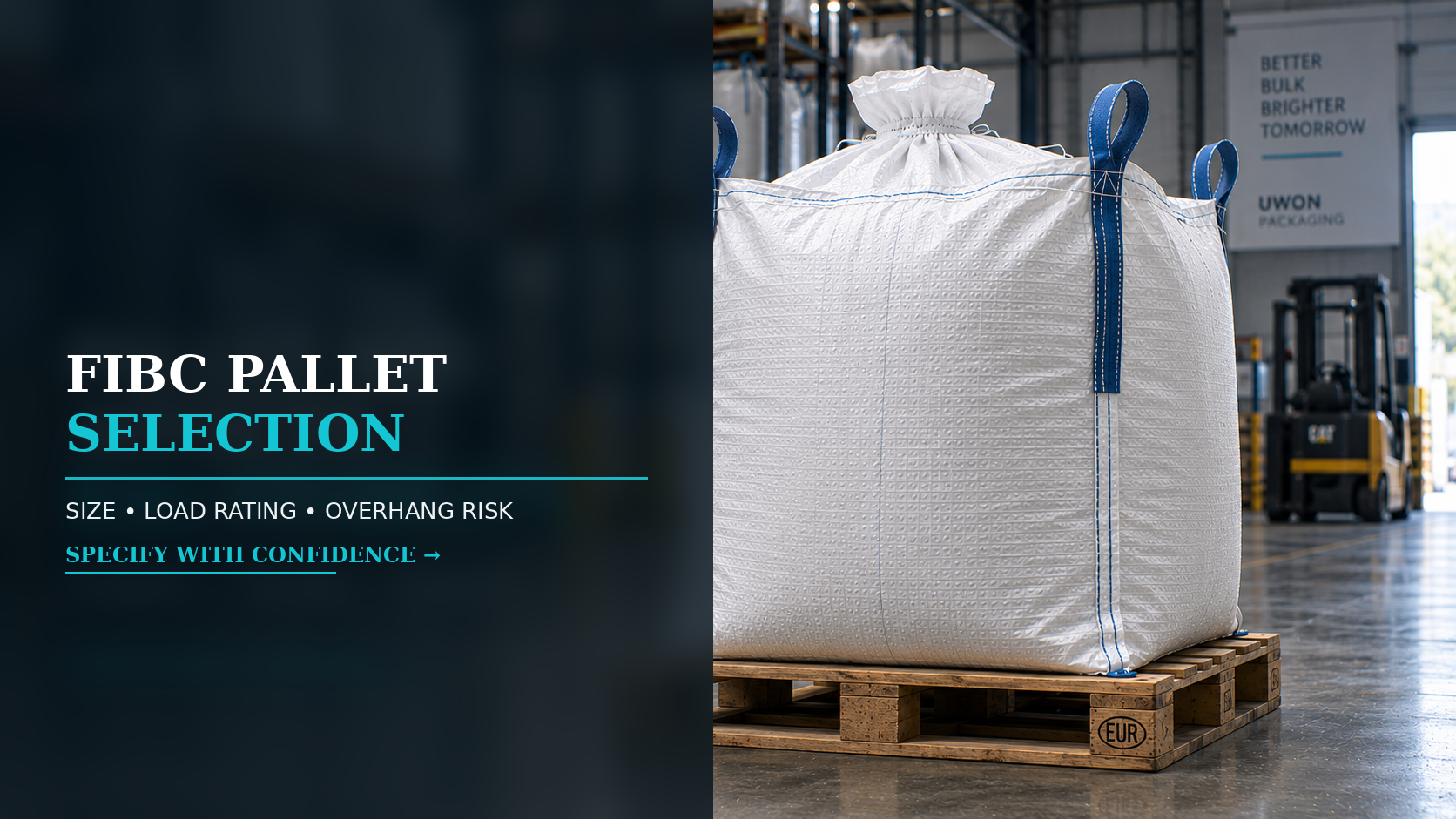
FIBC Pallet Selection: Size, Load Rating, Hygiene and Overhang Risks

FIBC pallet selection is often left to the warehouse after the bag has already been designed. That can create avoidable problems: overhang, unstable stacking, torn base fabric, blocked forklift access...

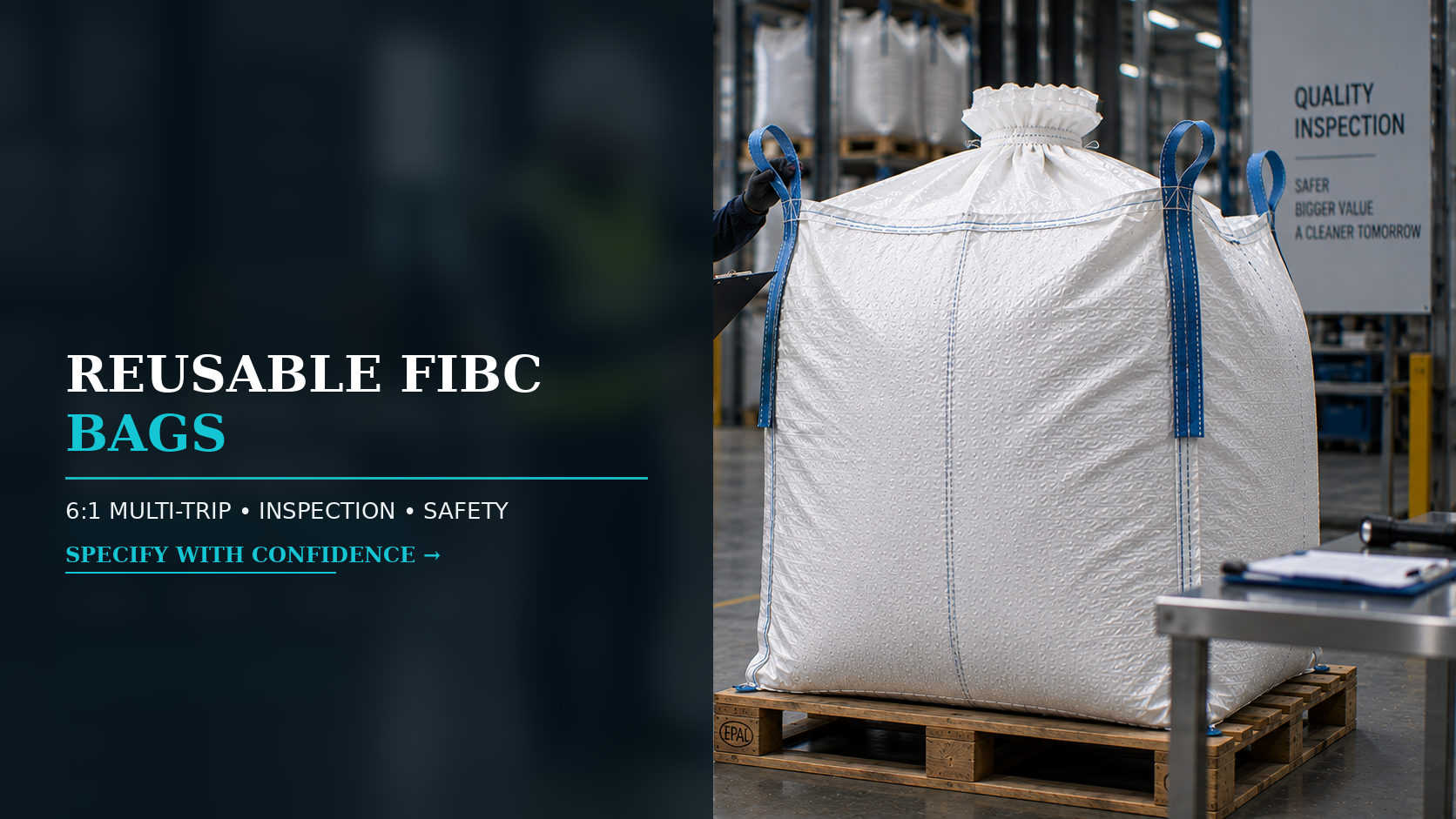
Reusable FIBC Bags: How to Build a Safe 6:1 Multi-Trip Inspection Program

Reusable FIBC bags can reduce packaging consumption in controlled closed-loop systems, but reuse is not as simple as emptying a bag and filling it again. A multi-trip FIBC must be...

Recycled Polypropylene FIBC Bags: Performance, Testing and Buyer Checks

Recycled polypropylene FIBC bags are becoming a more serious procurement topic as companies look for lower-impact bulk packaging and prepare for tighter packaging sustainability requirements. But recycled content should never...

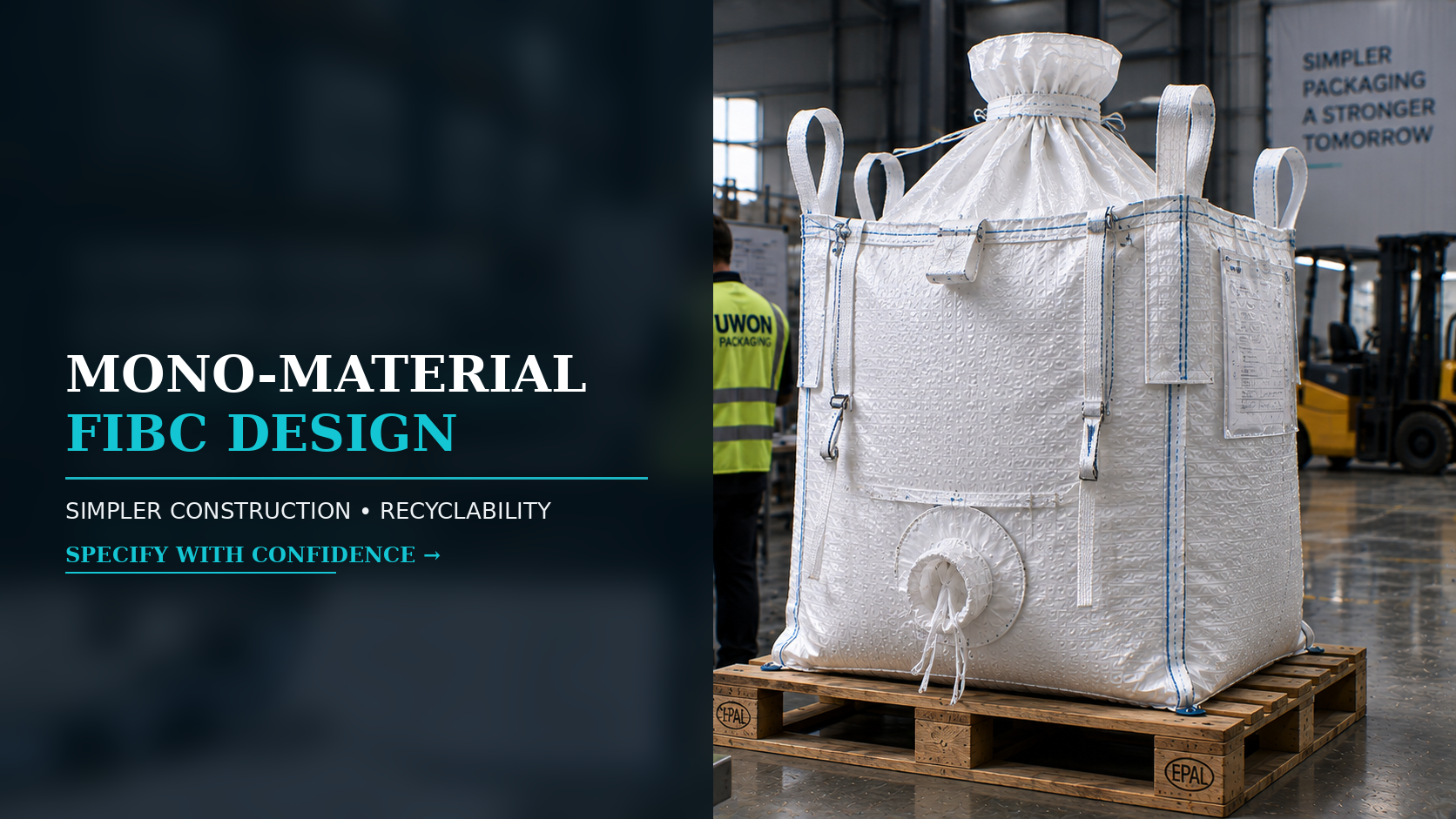
Mono-Material FIBC Design: How Buyers Can Improve Recyclability

Mono-material FIBC design is becoming more relevant as industrial buyers look for packaging that is easier to sort, recover and recycle. The basic FIBC body is usually woven polypropylene, but...

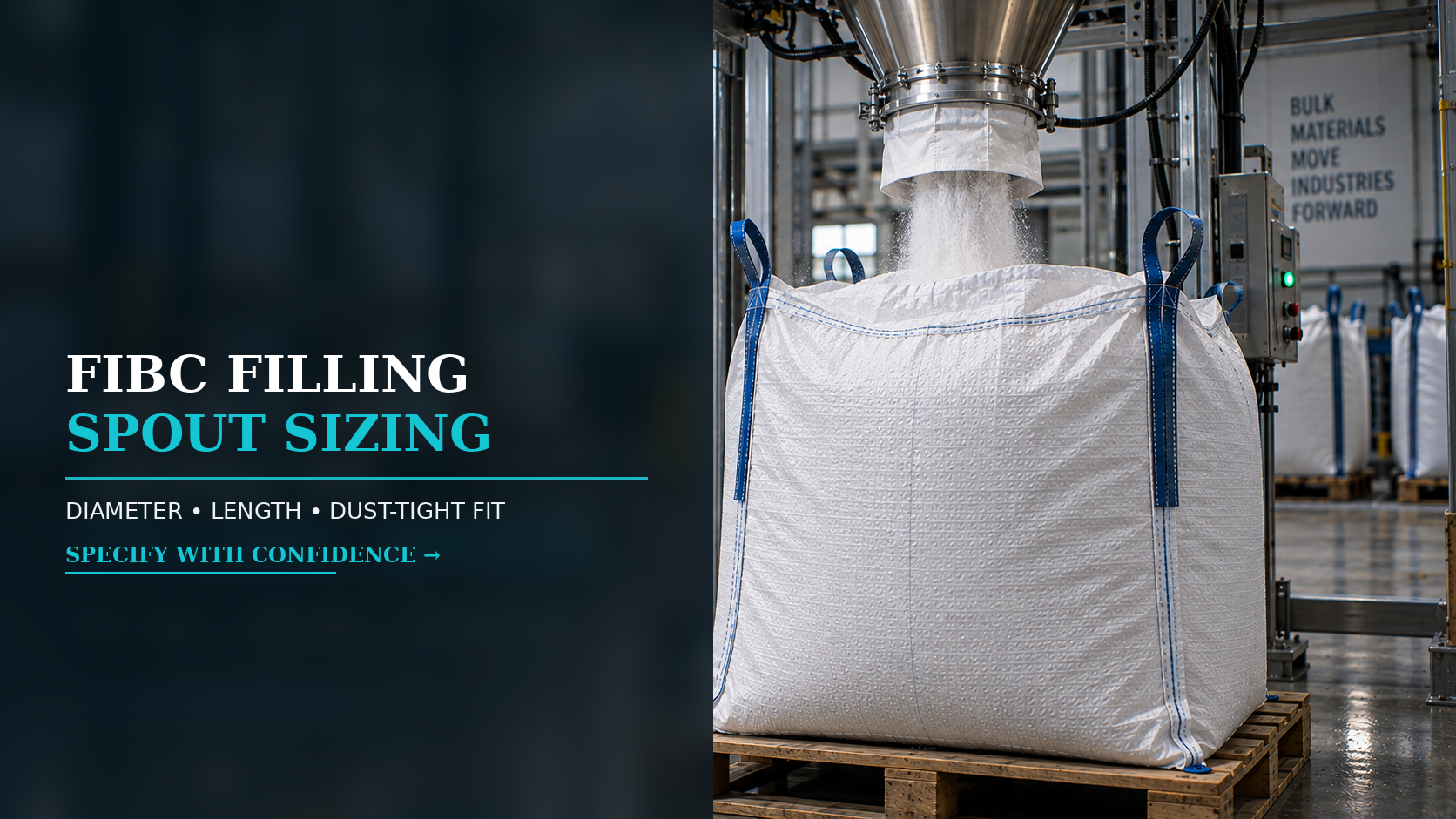
FIBC Filling Spout Sizing: Diameter, Length and Dust-Tight Connections

FIBC filling spout sizing can determine whether a bulk bag fills cleanly in two minutes or becomes a constant source of dust, liner movement and operator adjustment. A filling spout...

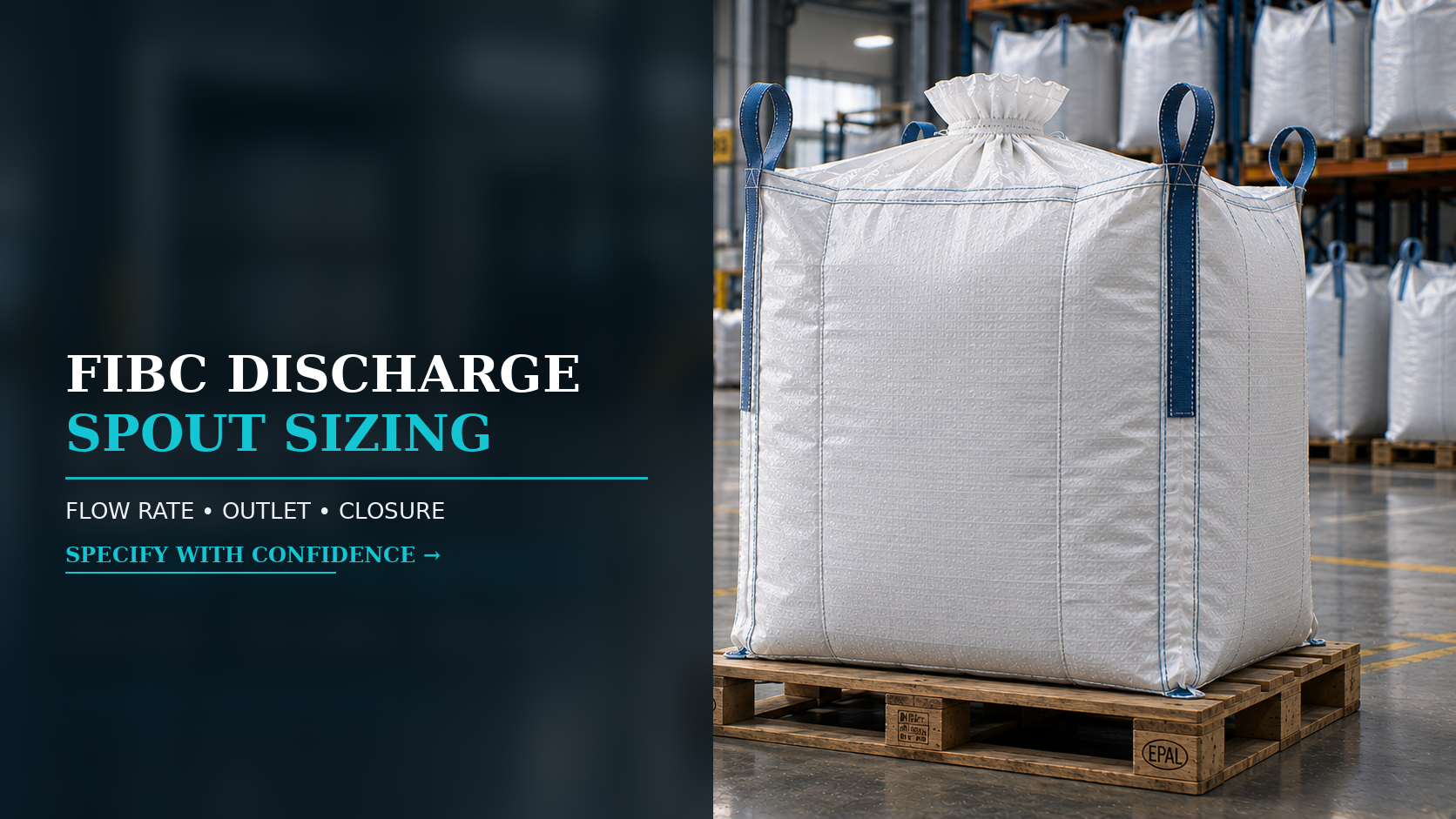
FIBC Discharge Spout Sizing: Flow Rate, Outlet Diameter and Closure Selection

FIBC discharge spout sizing directly affects how quickly, cleanly and safely a bulk bag empties. A small outlet can slow production or encourage bridging, while an oversized outlet can release...

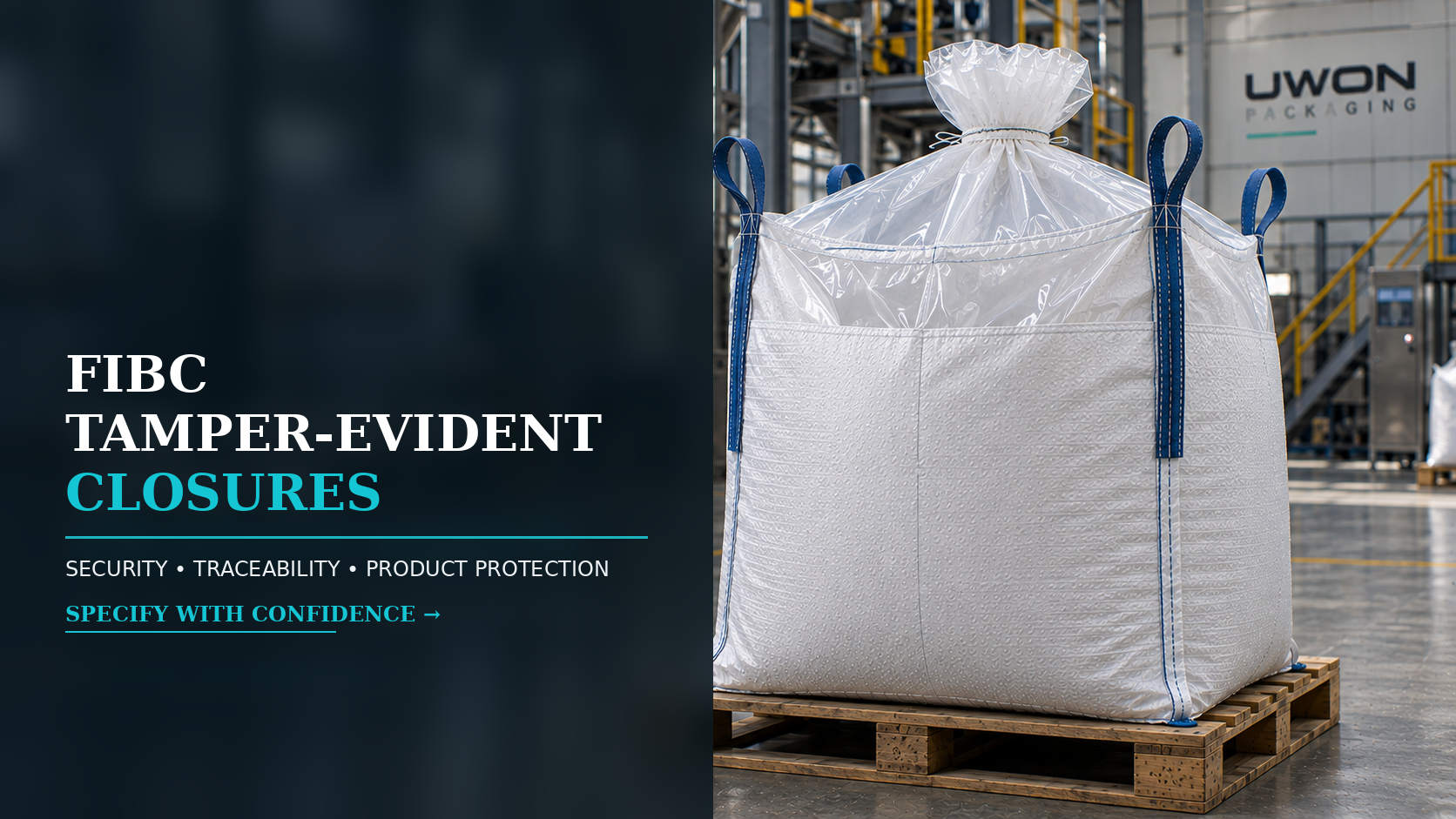
FIBC Tamper-Evident Closures: Security Checks for Bulk Ingredients and Chemicals

FIBC tamper-evident closures help buyers create a clearer chain of custody between filling, transport and receiving. They do not make a bulk bag impossible to open, but they can make...

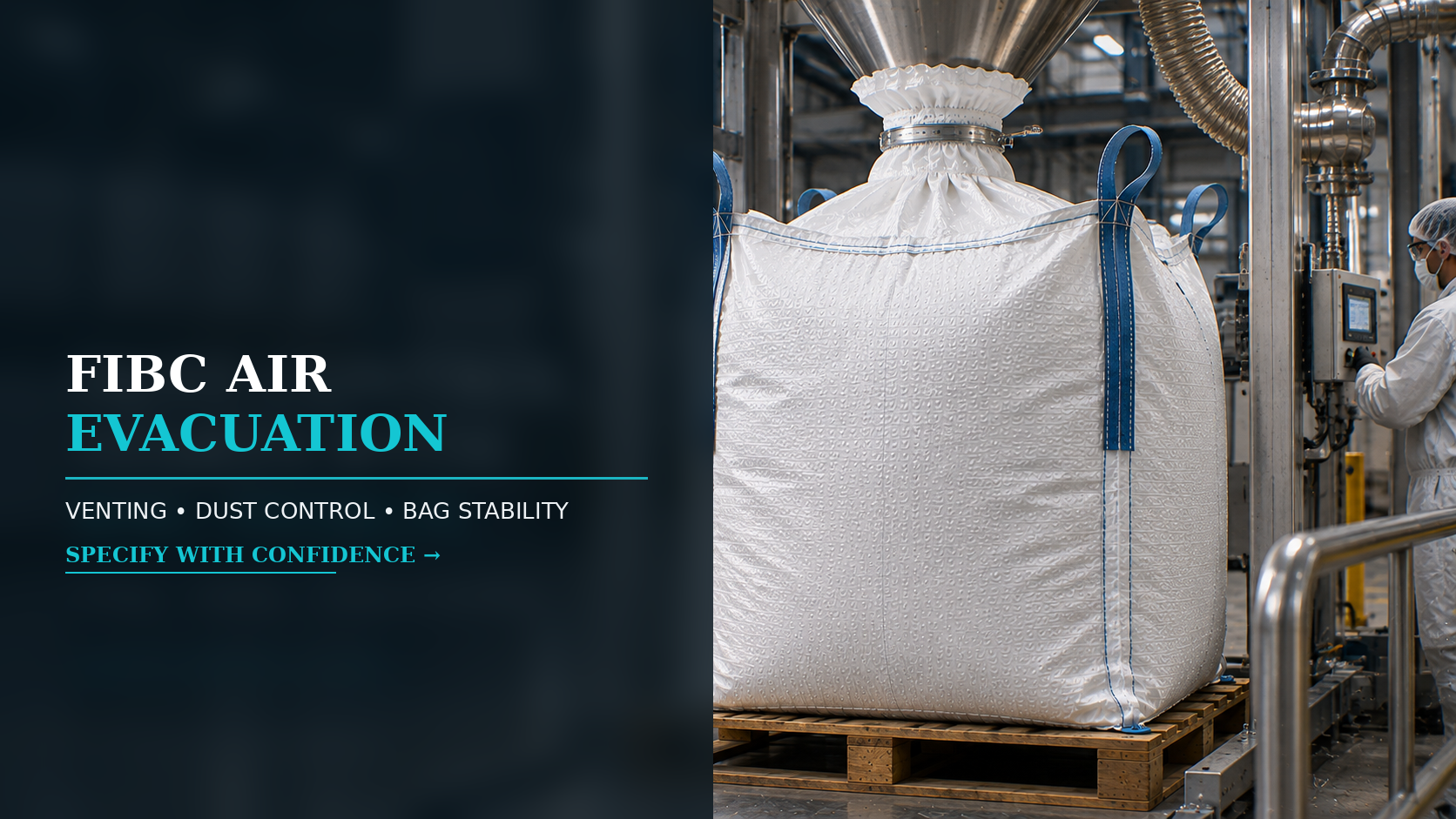
FIBC Air Evacuation During Filling: Venting, Dust Control and Bag Stability

FIBC air evacuation during filling is easy to overlook until a bag inflates like a balloon, dust escapes around the filling head or the liner folds into the product stream....

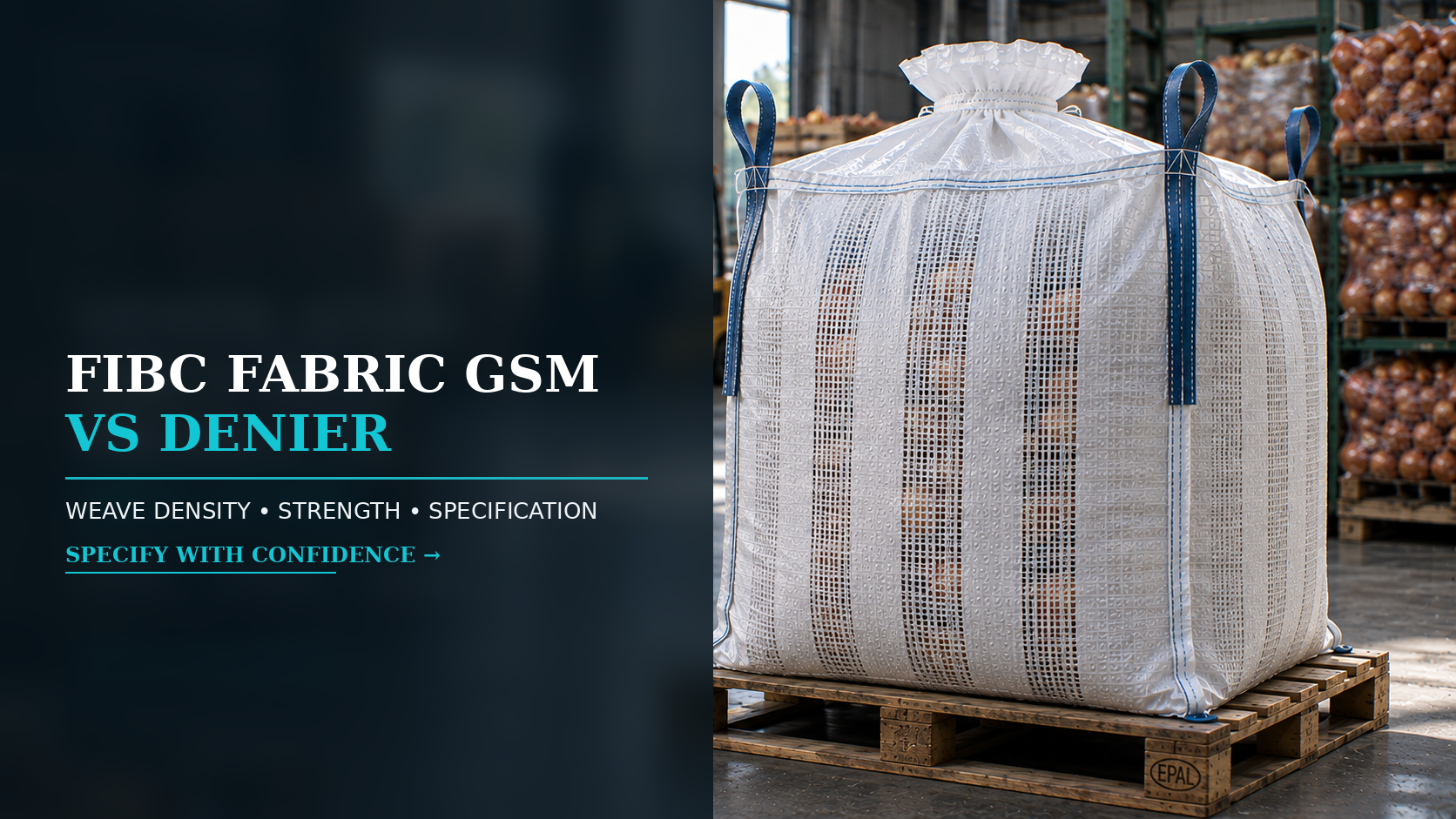
FIBC Fabric GSM vs Denier vs Weave Density: What Buyers Should Specify

FIBC fabric GSM is one of the most common numbers on a jumbo bag specification, but it is also one of the easiest to misunderstand. A higher GSM means more...

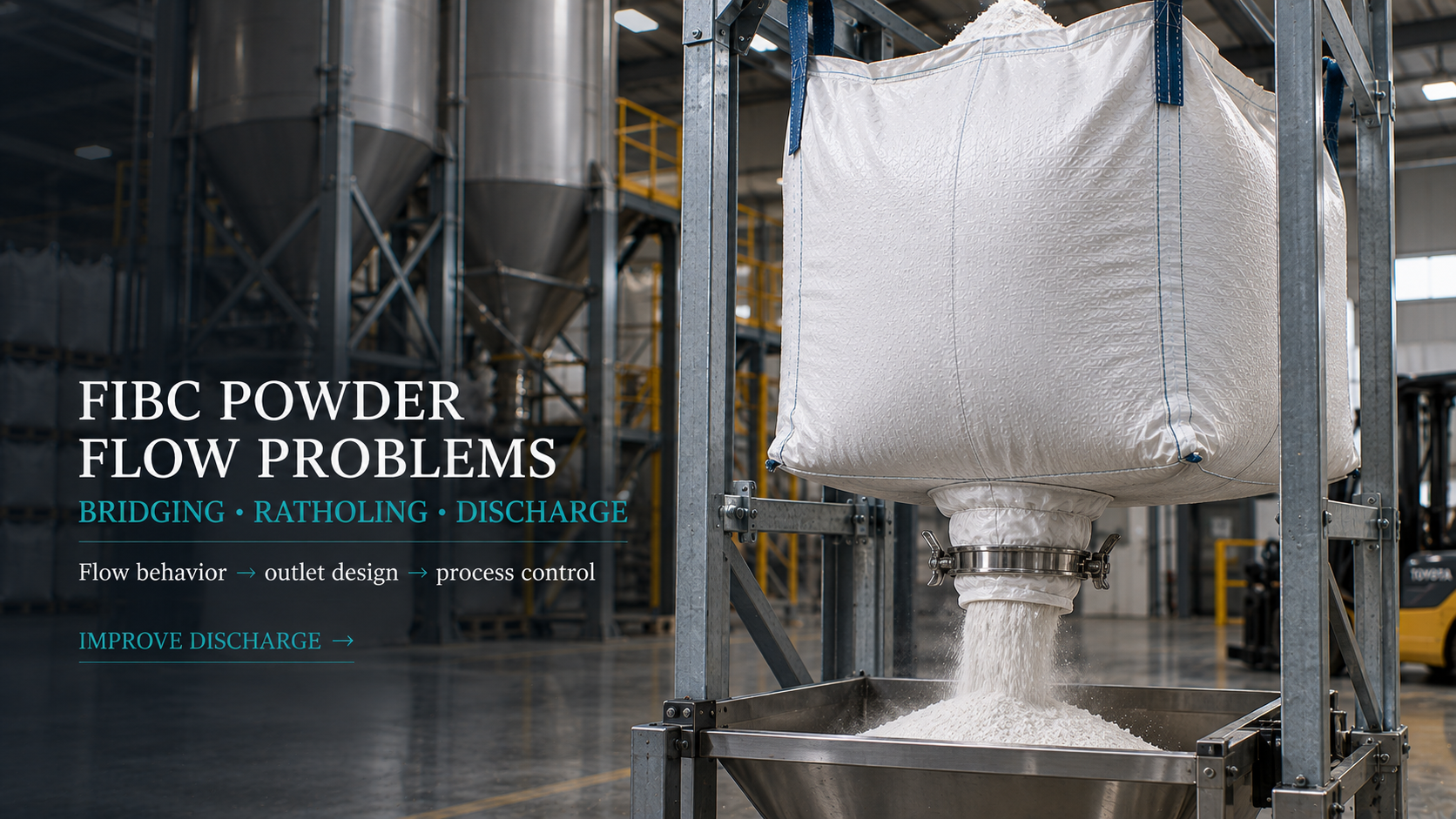
FIBC Powder Flow Problems: Bridging, Ratholing and Discharge Solutions

FIBC powder flow problems often appear only when the bag reaches the discharge station. A product that filled easily can bridge above the outlet, form a stable rathole, discharge in...

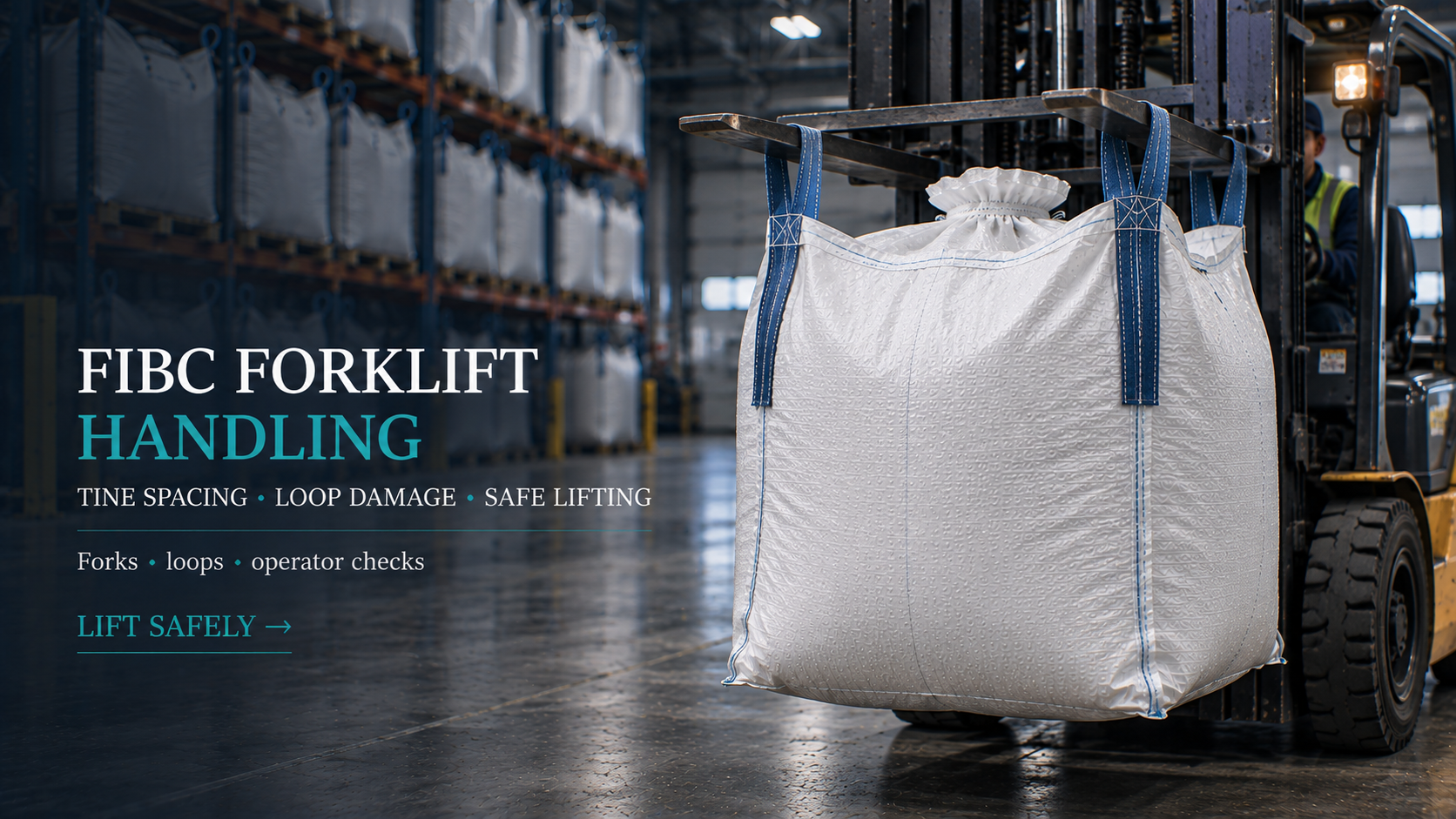
FIBC Forklift Handling: Tine Spacing, Loop Damage and Safe Lifting

FIBC forklift handling looks simple until a lifting loop twists, a tine edge cuts webbing or a sudden stop shifts a one-ton load. Many bag failures blamed on ‘weak fabric’...

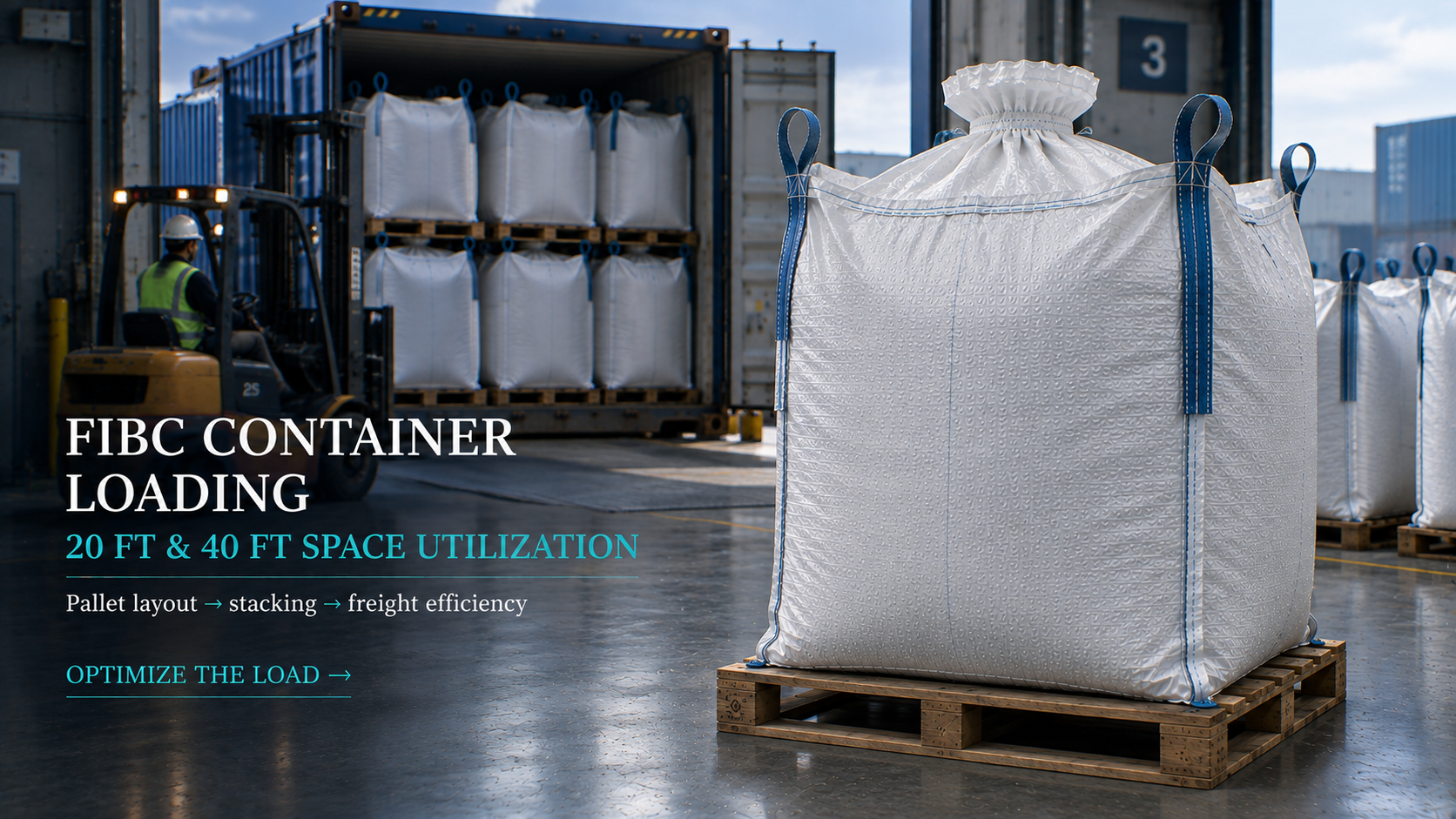
FIBC Container Loading: How to Improve 20 ft and 40 ft Space Utilization

FIBC container loading is where bag design meets logistics cost. A jumbo bag can be perfectly strong and still create avoidable freight expense if its filled footprint wastes container width,...

FIBC Condensation Control: How to Reduce Container Rain and Moisture Risk

FIBC condensation control becomes critical when bulk materials move through changing temperatures and humid environments. A product can leave the factory dry and still arrive with caking, corrosion, staining or...

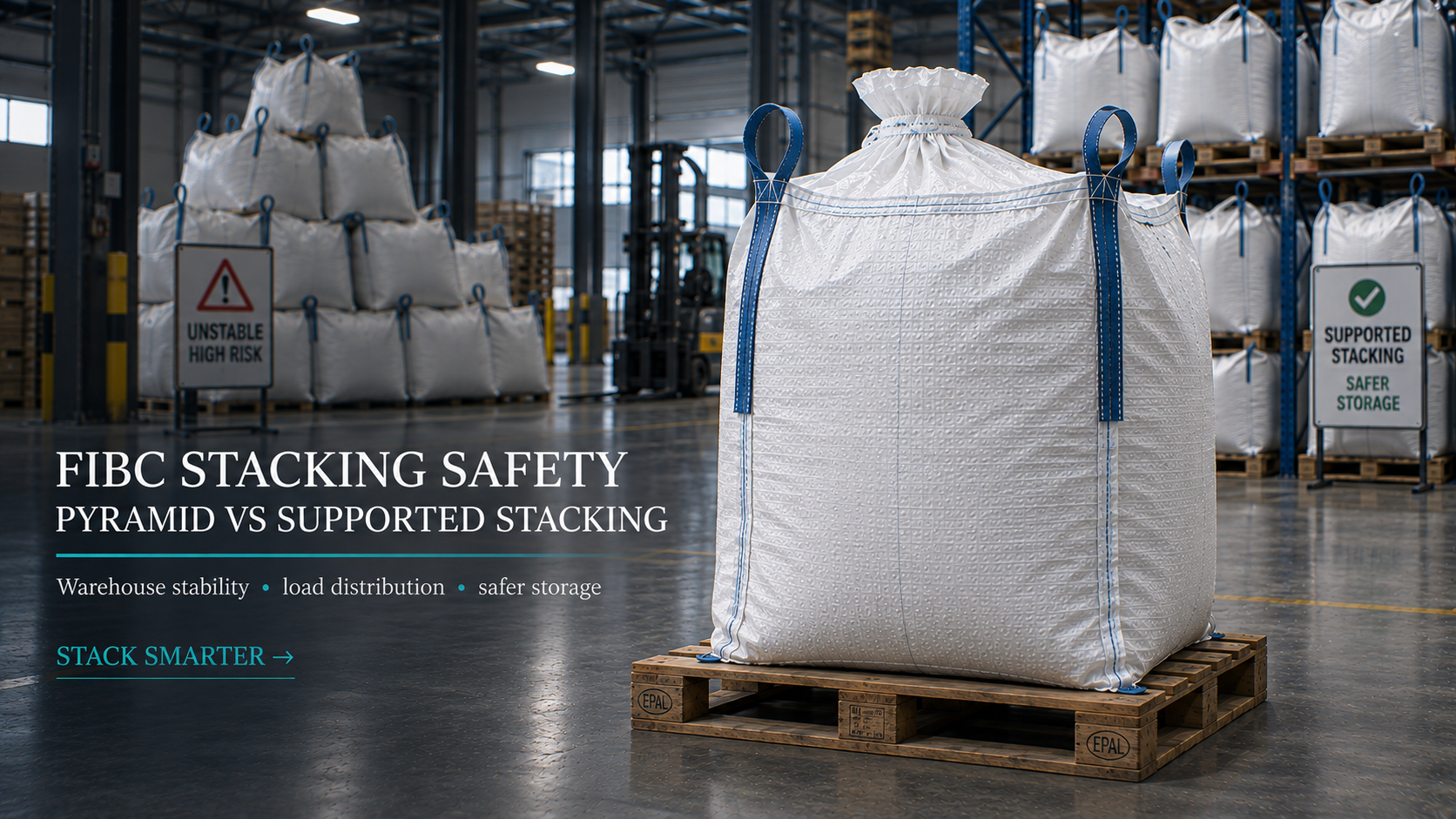
FIBC Stacking Safety: Pyramid vs Supported Stacking for Warehouses

FIBC stacking safety is often treated as a warehouse issue, but the stability of a stack starts much earlier—with bag design, fill consistency, pallet condition and the way the product...

FIBC Seam Types: Standard, Sift-Proof and Dust-Control Sewing Explained

FIBC seam types are easy to overlook because most buyers focus first on fabric GSM, SWL, liners and lifting loops. Yet for fine powders, a bag can use strong fabric...

UV Stabilized FIBC Bags: Outdoor Storage Risks Buyers Should Specify

UV stabilized FIBC bags matter whenever empty or filled bulk bags may spend meaningful time in direct sunlight. Polypropylene is strong, light and widely used for FIBC fabric, yet ultraviolet...