Blog

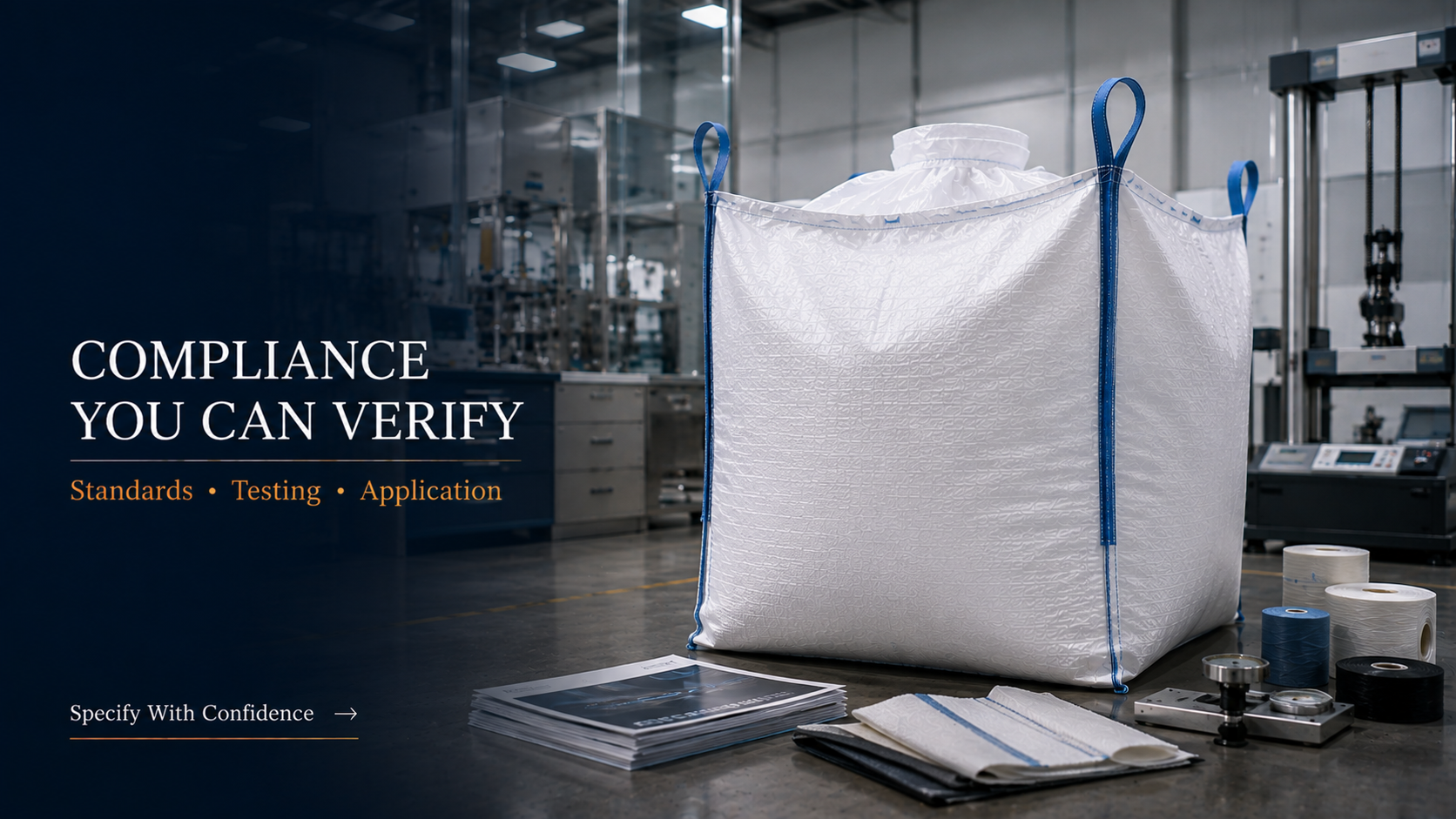
FIBC Certifications: 7 Standards Buyers Should Check

FIBC Compliance & Certifications: 7 Standards Buyers Should Check FIBC compliance and certifications can become confusing when buyers encounter terms such as ISO 21898, UN certification, food-contact compliance, electrostatic protection...
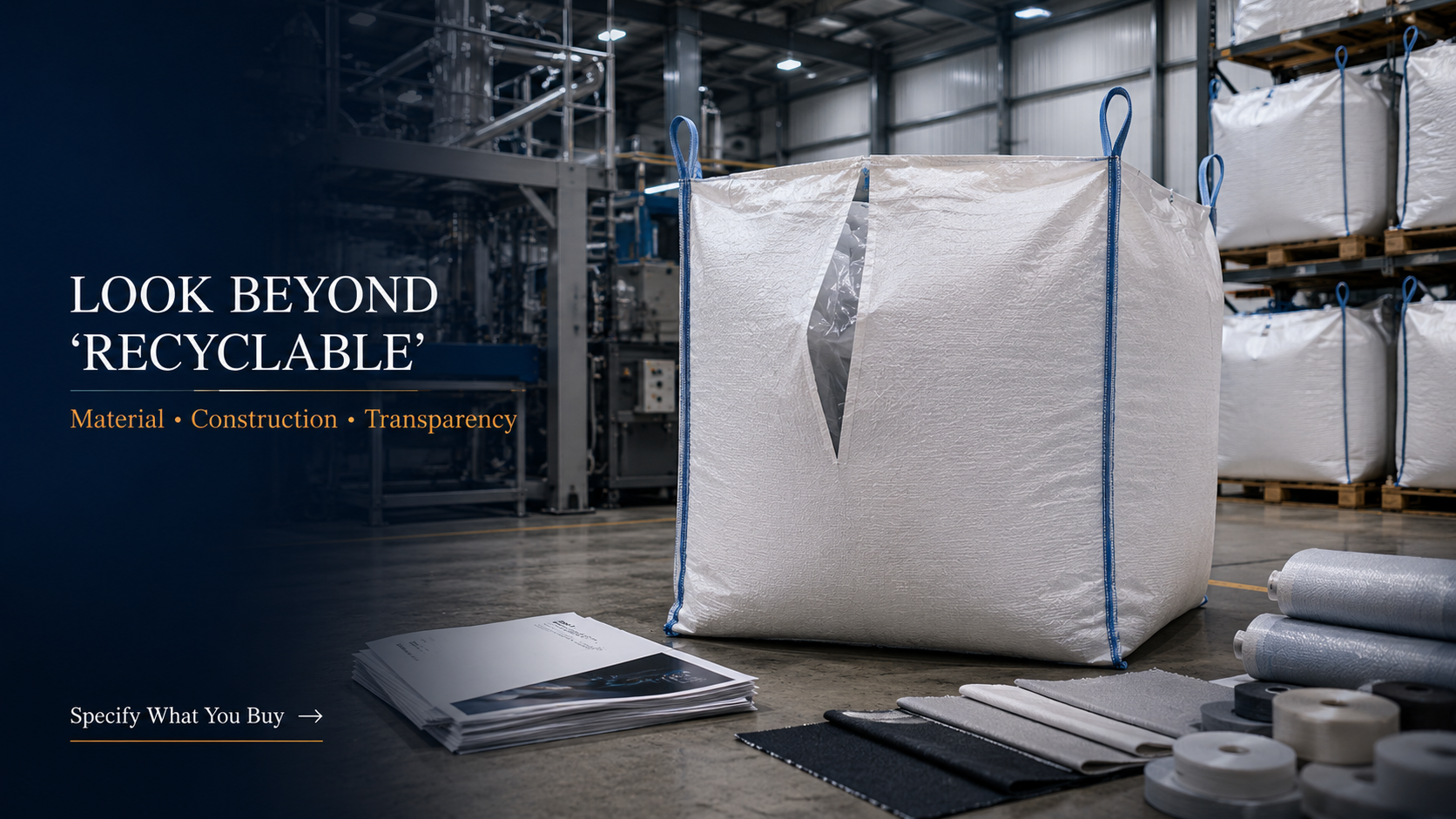
EU PPWR & FIBC Packaging: 7 Key Checks for European Buyers

EU PPWR and FIBC Packaging: Why Buyers Need to Look Beyond “Recyclable” The EU PPWR FIBC discussion is becoming increasingly important for companies that manufacture, source or place bulk packaging...

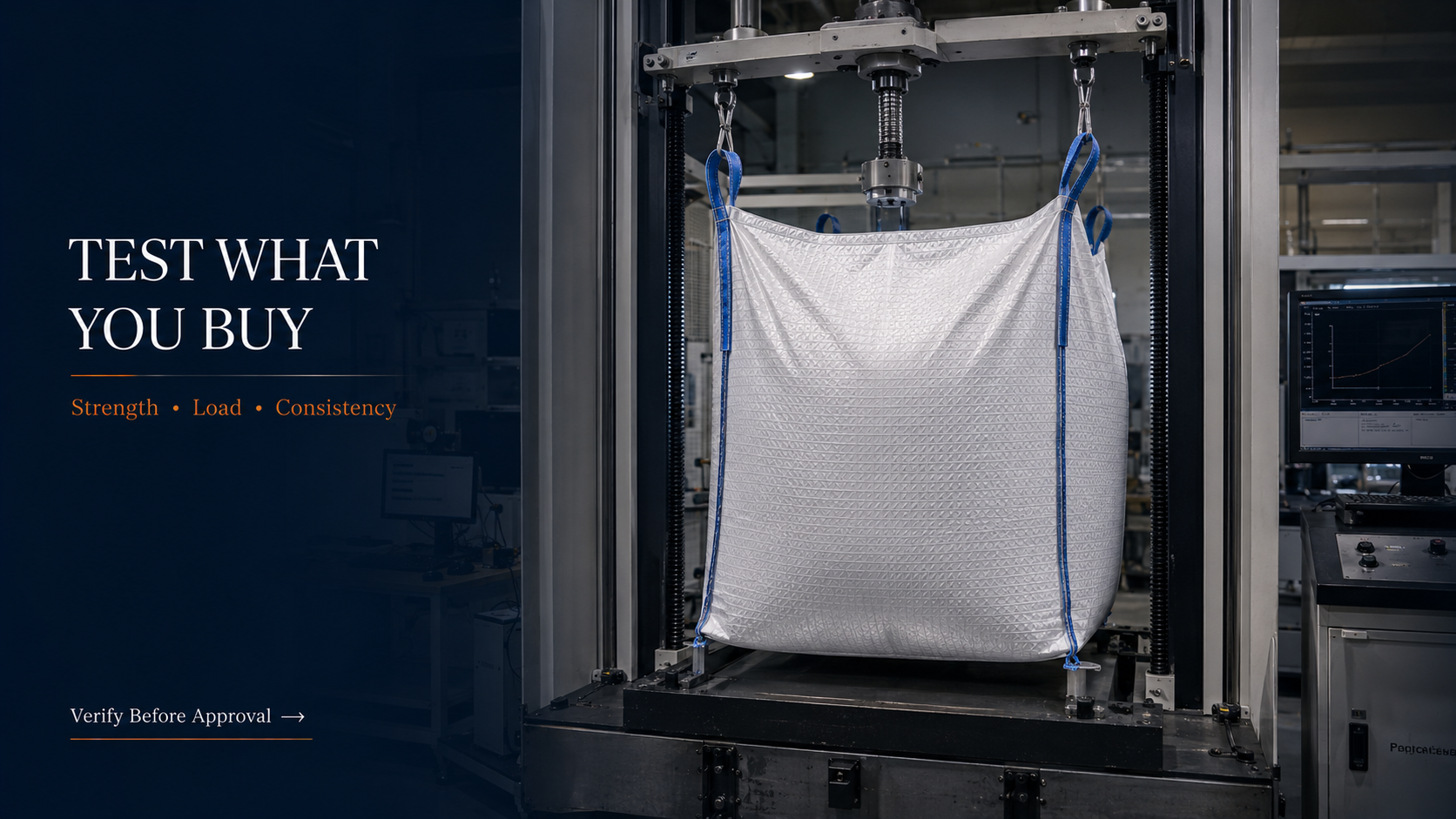
FIBC Testing: 8 Essential Tests for Safer Bulk Bags

FIBC Testing: 8 Tests Buyers Should Check Before Approval FIBC testing is one of the most important steps buyers can use to evaluate the quality and consistency of bulk bags...

Food Grade FIBC Bags: 7 Checks Before Choosing a Supplier

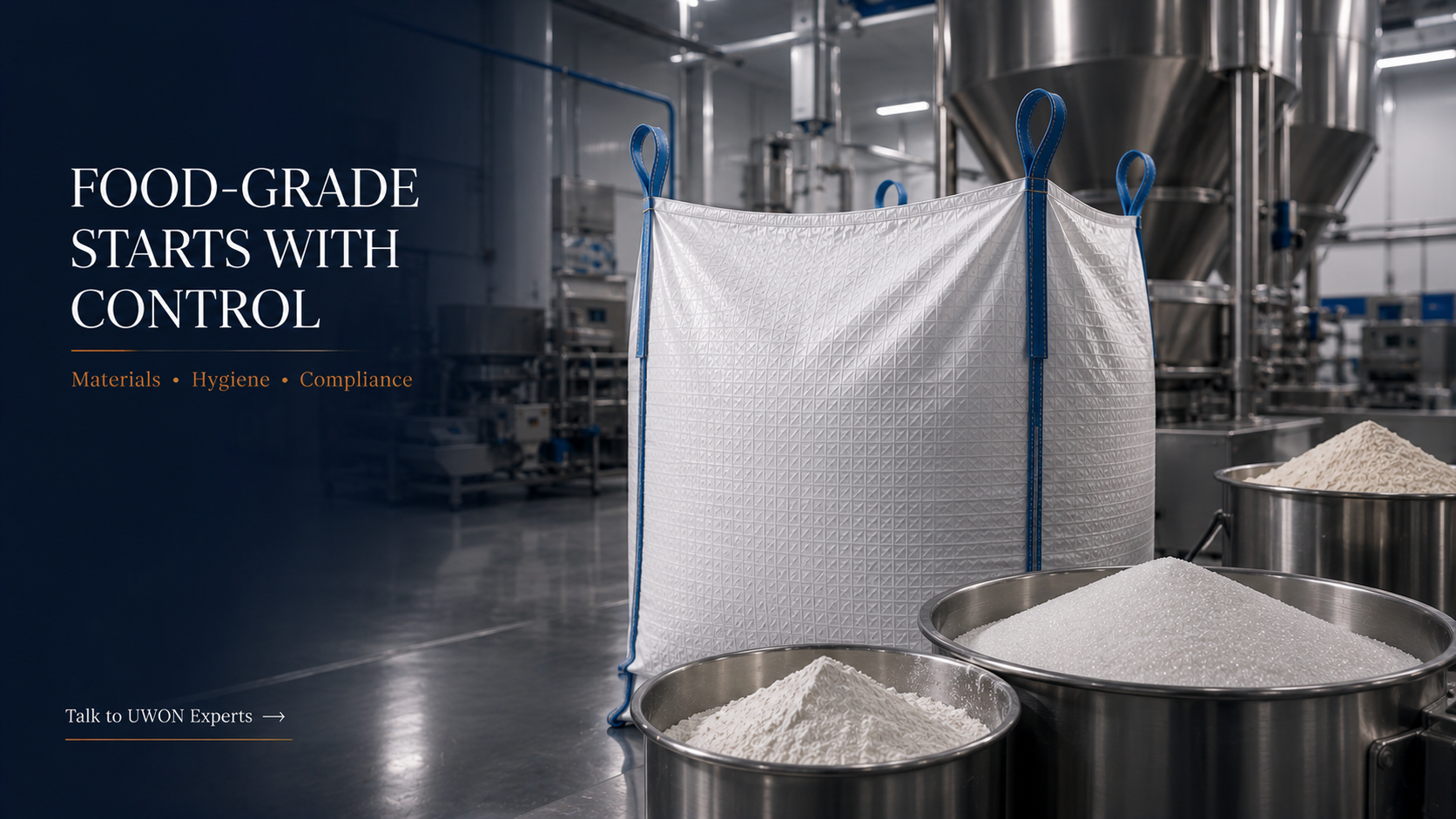
Food Grade FIBC Bags: 7 Things Buyers Should Check Food grade FIBC bags help manufacturers store and transport bulk food ingredients such as sugar, flour, starch, grains and other dry...

FIBC Lifting Loops: 7 Types & Selection Tips

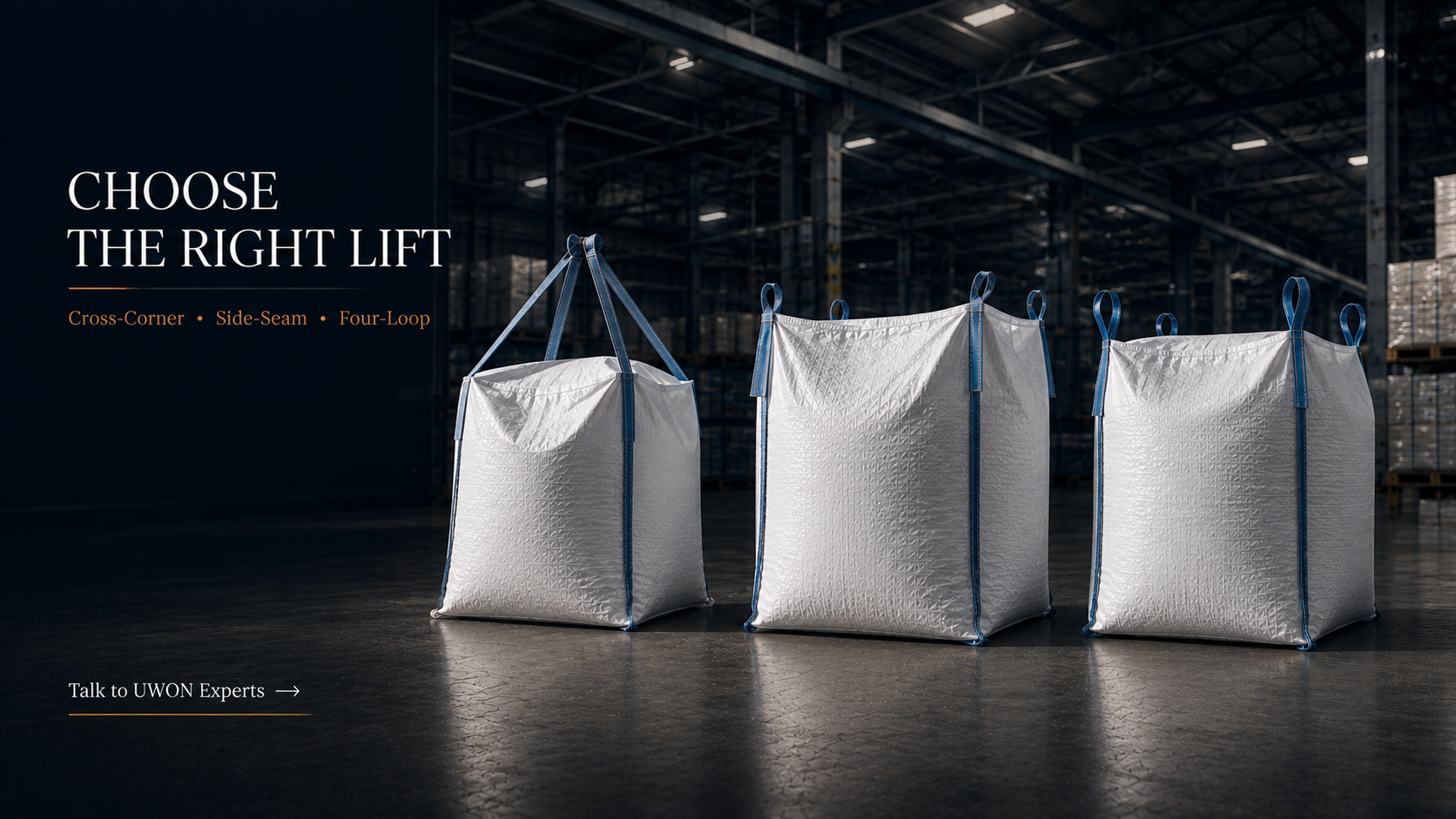
FIBC Lifting Loops: Choose the Right Configuration FIBC lifting loops play a critical role in how a bulk bag is lifted, moved and positioned. The correct loop configuration helps the...

FIBC Bag Dimensions: 7 Tips to Choose the Right Size

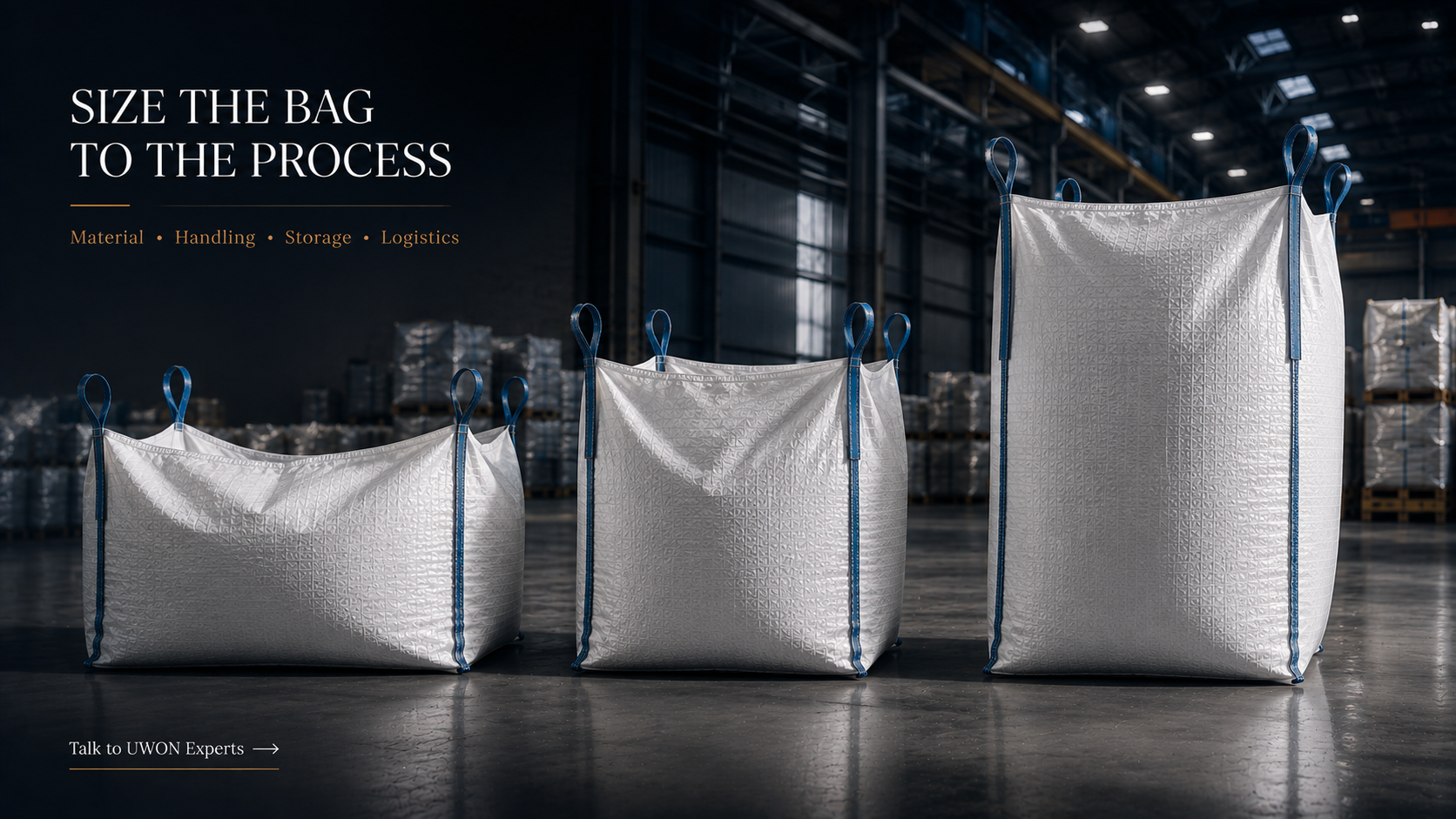
FIBC Bag Dimensions: How to Choose the Right Size for Your Bulk Material Choosing the right FIBC bag dimensions is not simply a matter of selecting a bag that can...

What EU Buyers Need to Know in 2026: PPWR FIBC BAG

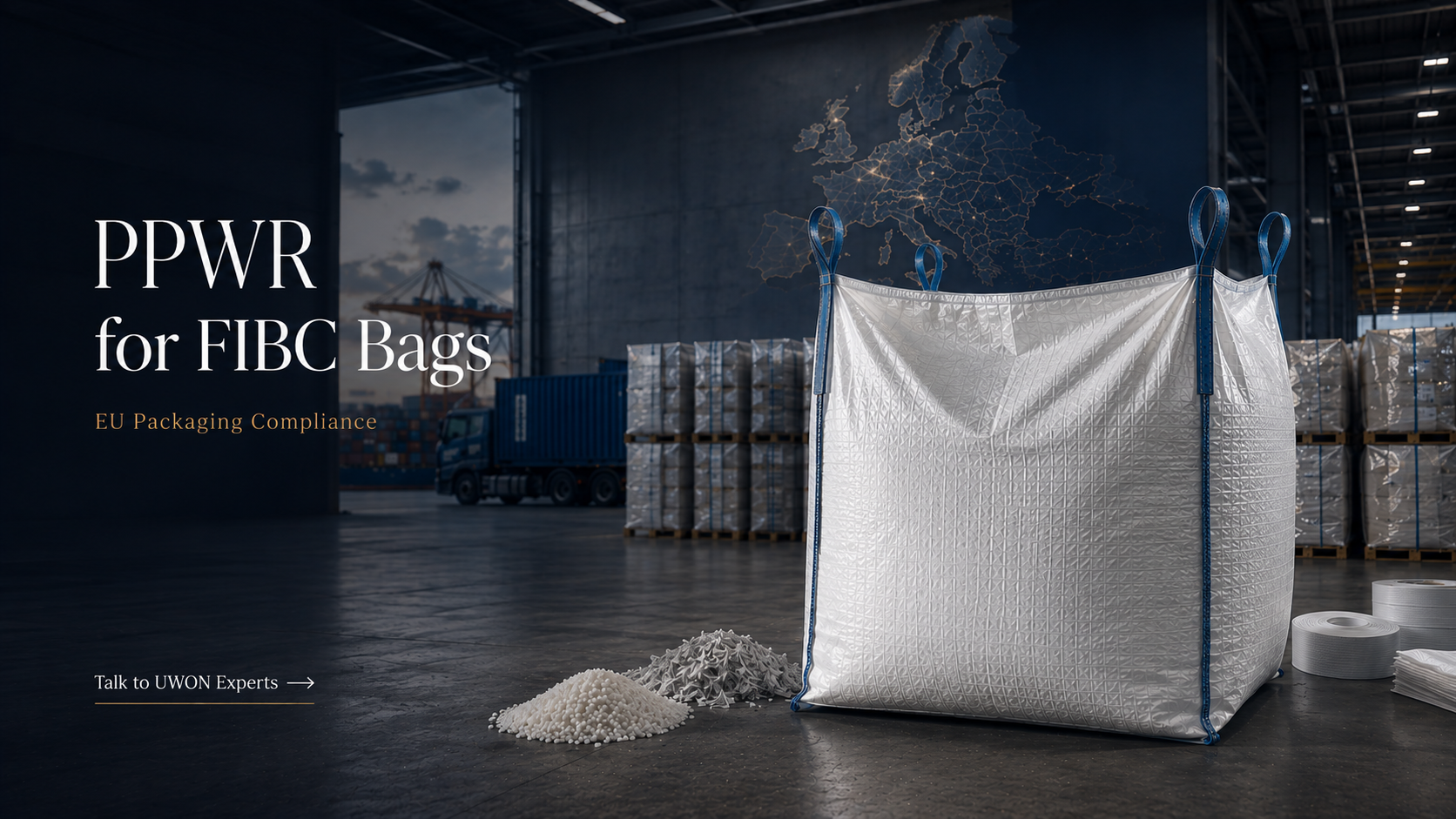
PPWR for FIBC Bags: What EU Buyers Need to Know in 2026 If you buy, export, import or use FIBC bags in the European Union, the Packaging and Packaging Waste...

What EU PPWR Means for FIBC and Bulk Packaging Buyers

EU PPWR for FIBC is now an important consideration for bulk packaging buyers selling or shipping into Europe. From 12 August 2026, the EU Packaging and Packaging Waste Regulation applies,...

EU’s New Packaging Law Is Now Live: What It Means for Bulk Packaging Buyers

The EU packaging law changed on 12 August 2026. From today, the Packaging and Packaging Waste Regulation applies across all 27 member states, and any business placing packaging on the...

What Actually Drives the Price of an FIBC Bag

FIBC price is rarely as simple as the number on a quote. Two bags can look identical in a photo yet cost very differently, because that price quietly reflects the...

FIBC Supplier: 7 Things to Check Before You Buy

An FIBC supplier is not just a bag vendor. The one you pick quietly decides whether your material arrives clean, dry and on time, or whether it becomes a delayed...

FIBC Types Explained: Type A, B, C and D Bags

FIBC types are the four static safety grades of bulk bag, and choosing the wrong one can turn a routine shipment into a fire risk. Fortunately, choosing the right one...

The Hidden Switching Costs That Keep Buyers From Leaving

Switching costs are the real reason buyers stay with a supplier they complain about, long after deciding the product itself is nothing special. You have complained about them for two...

Why Buyers Keep Changing Suppliers

On paper, the account was safe. The bags passed QC, the certificates were in order, the price was competitive. Then the buyer left anyway  and spec compliance was never the...

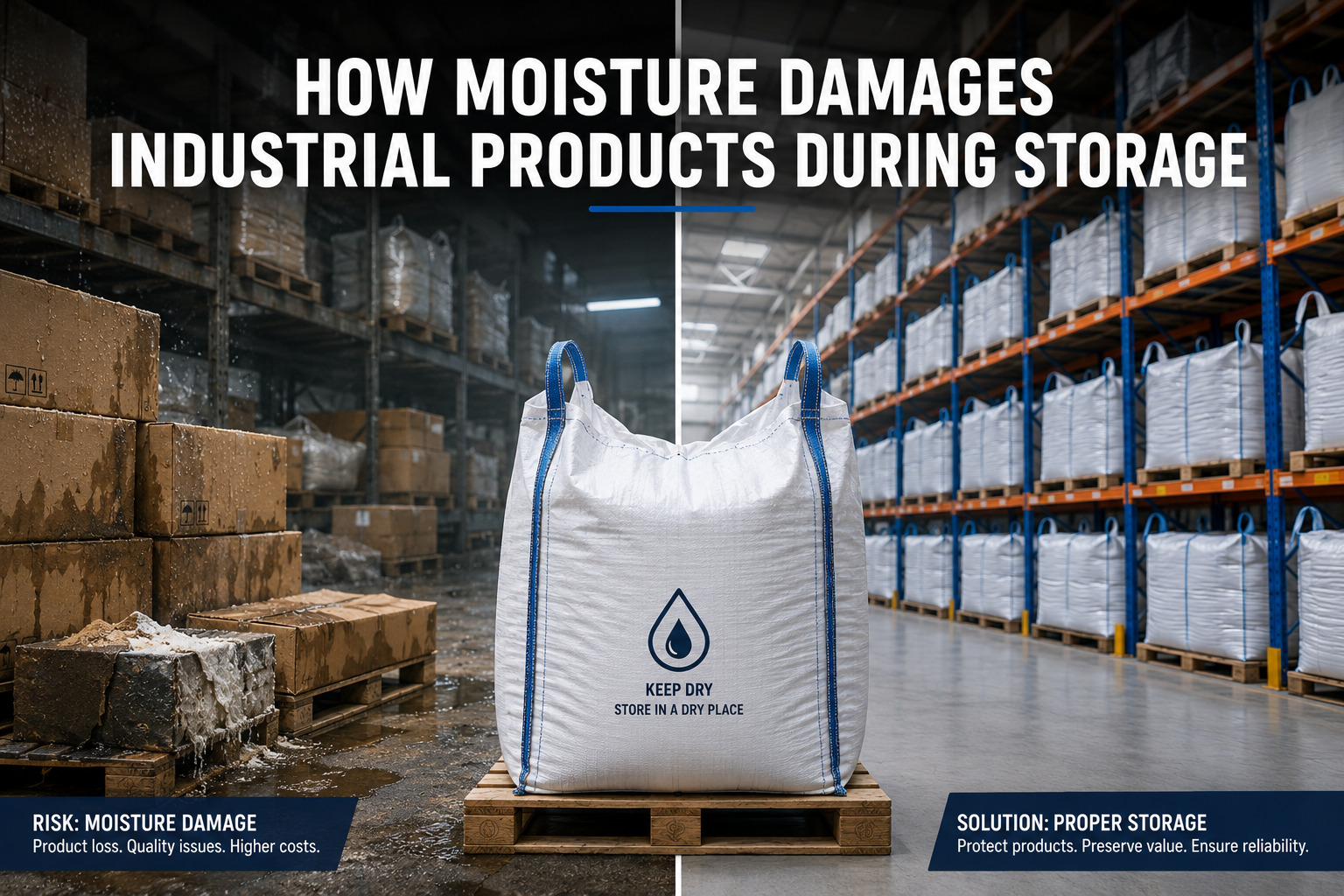
How Moisture Damage Industrial Products During Storage

Moisture damage in industrial storage is one of the most overlooked causes of product loss across supply chains. While businesses often focus on production efficiency and transportation safety, storage conditions...

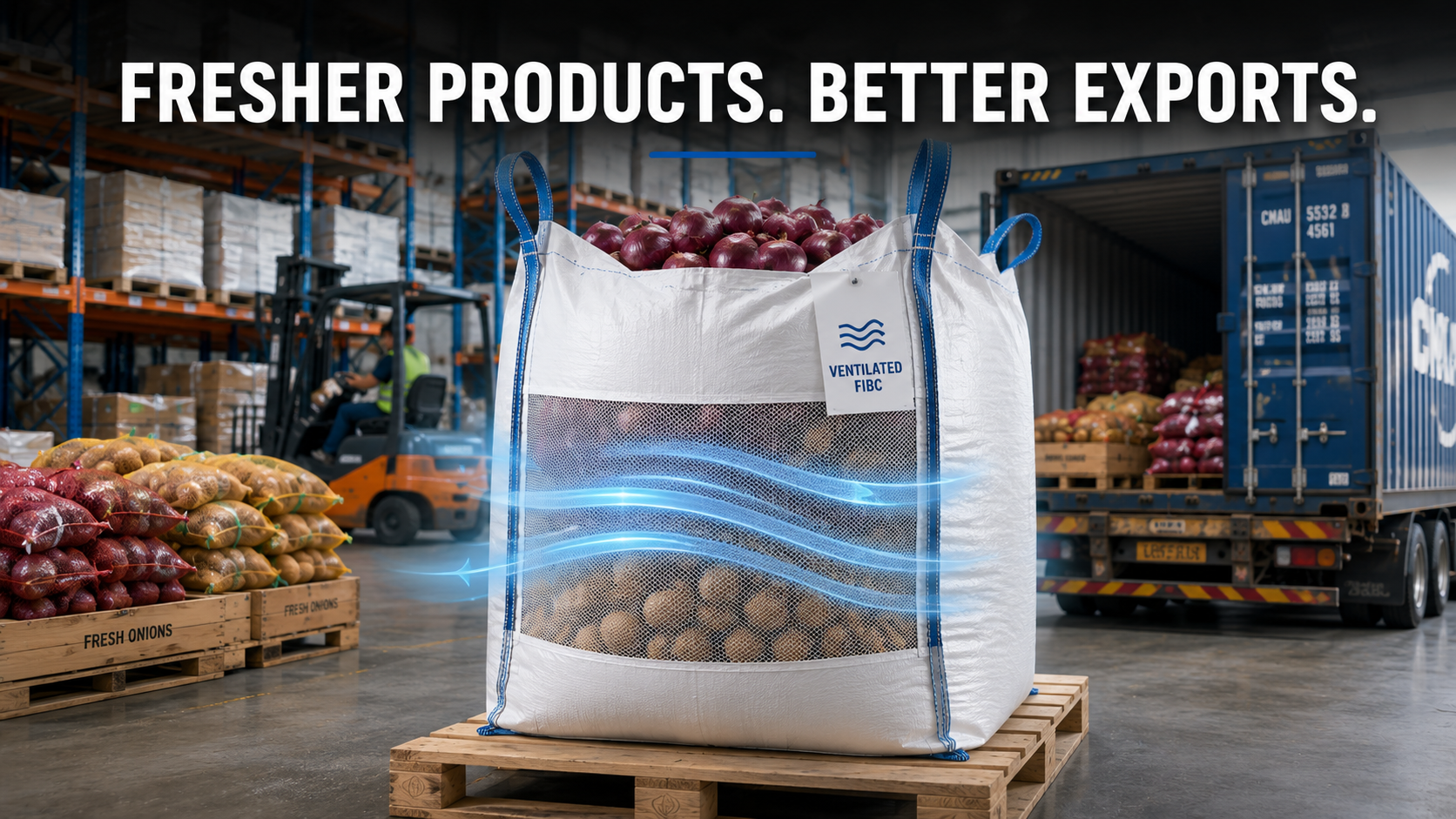
Why Ventilated FIBC Bags Are Essential for Agricultural Exports

Ventilated FIBC Bags for Agricultural Exports have become an indispensable packaging solution for businesses involved in the global trade of fresh produce. Exporting agricultural products presents unique challenges, including long...

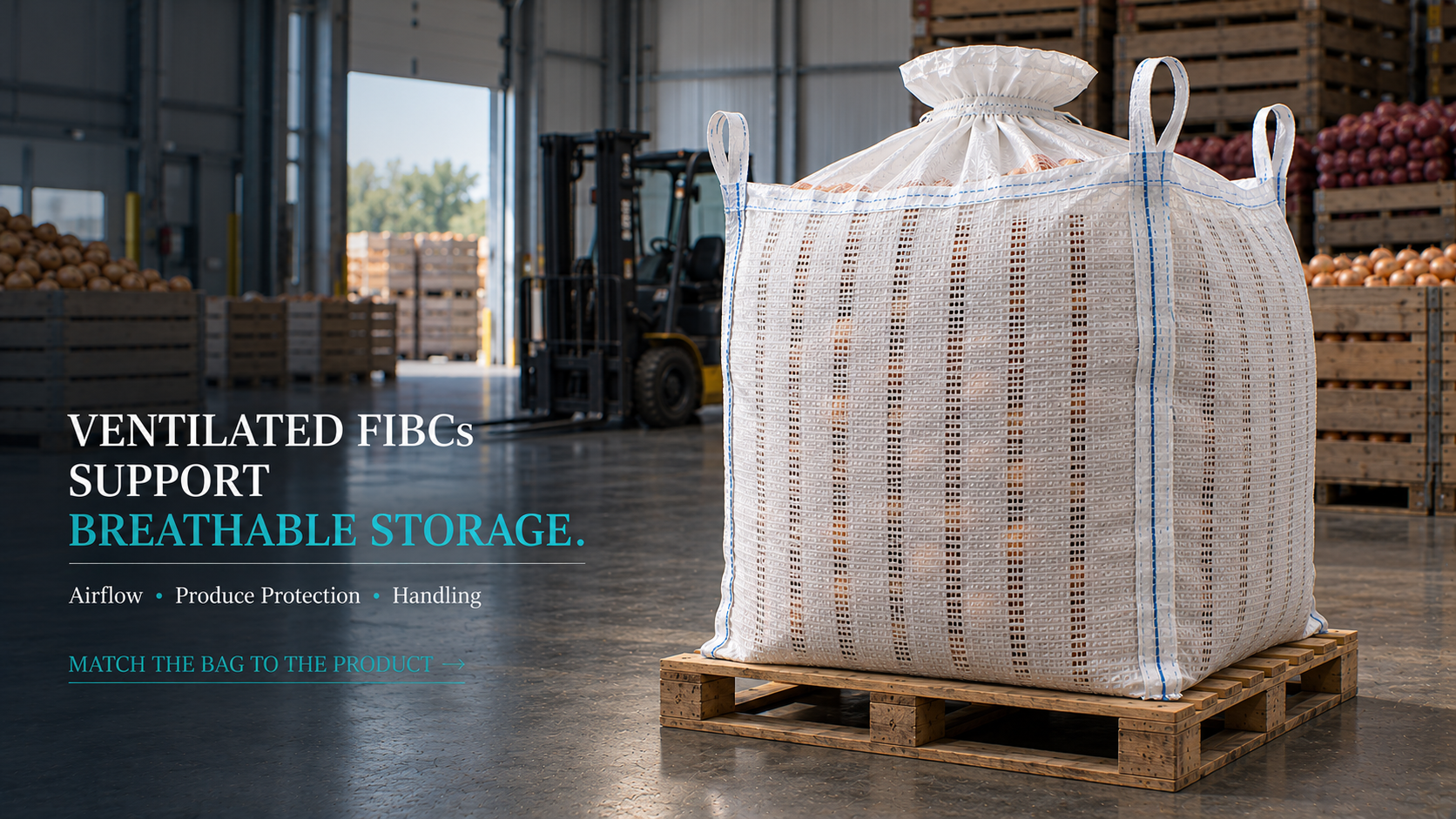
How Ventilated FIBC Bags Help Preserve Freshness During Storage and Transport

Ventilated FIBC Bags for Fresh Produce have become an essential packaging solution for businesses involved in agriculture, horticulture, and food distribution. Maintaining freshness during storage and transportation is one of...

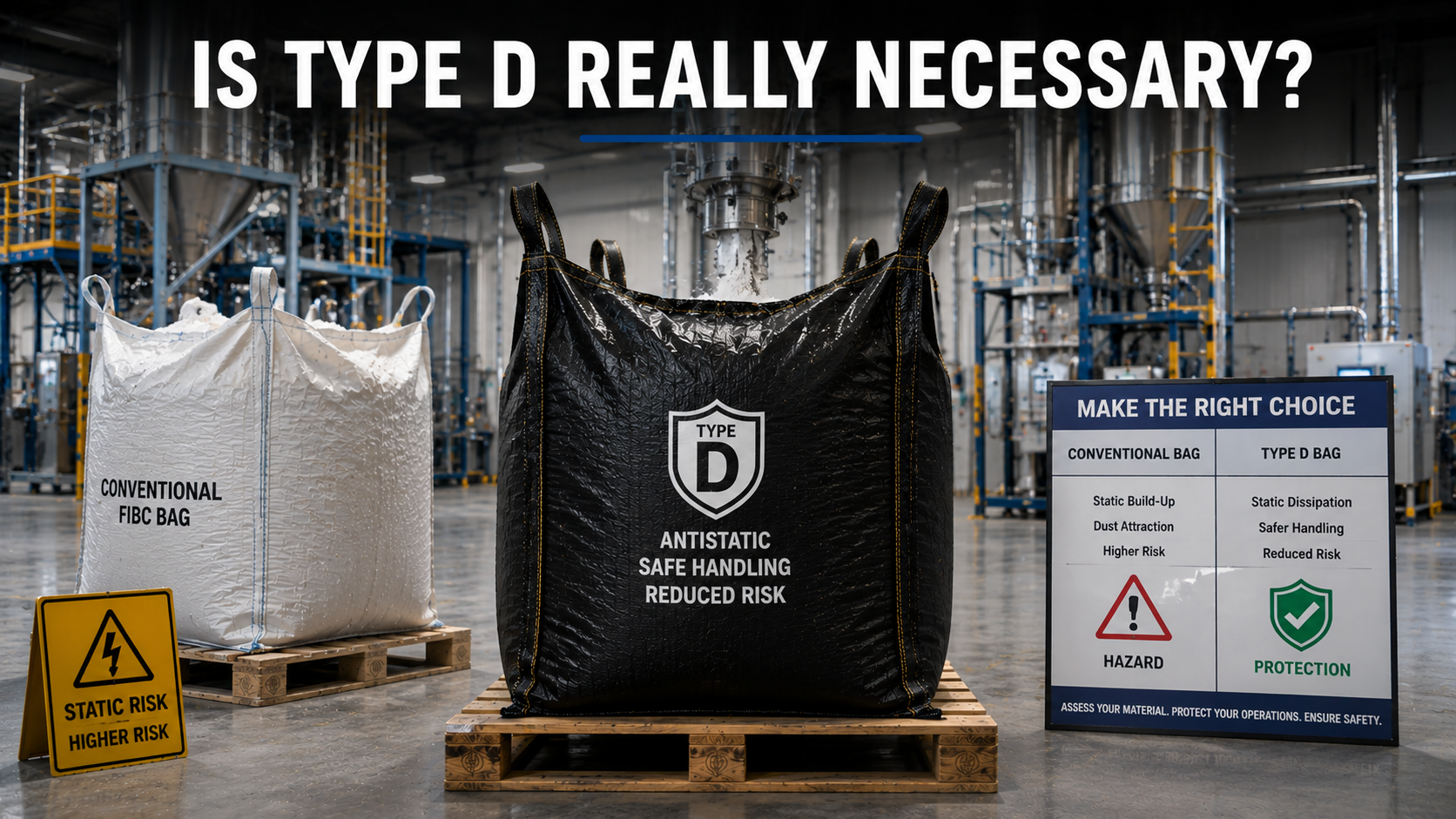
Are Type D FIBC Bags Worth It? Understanding When Your Business Actually Needs Them

When to Use Type D FIBC Bags is a question many businesses ask when evaluating packaging options for hazardous environments. While standard bulk bags may work well for general applications,...