
What Is an FIBC Bag? Beginner Guide for Industrial Bulk Packaging
What Is an FIBC Bag is one of the most searched questions in the industrial packaging industry. An FIBC Bag is a large woven polypropylene bag designed for storing, handling, and transporting bulk materials safely and efficiently.
Today, FIBC bags are widely used across agriculture, construction, chemicals, food processing, mining, and many other industries because they are strong, lightweight, cost-effective, and easy to handle.
What Is an FIBC Bag and How Does It Work?
An FIBC bag, also known as a jumbo bag or bulk bag, is specially manufactured to carry dry flowable materials in large quantities.
These bags are designed for industrial bulk handling operations where strength, safety, and transportation efficiency are important.
Common Features of FIBC Bags
- High load capacity
- Lightweight structure
- Flexible storage design
- Forklift-friendly handling
- Reusable and recyclable material
FIBC bags work by distributing the weight of stored material evenly across woven polypropylene fabric. This allows the bag to carry heavy industrial loads safely during storage and transportation.
Most bags include lifting loops that help forklifts and cranes move the material efficiently inside factories, warehouses, and shipping areas. Because of their flexible structure, FIBC bags also save storage space when empty and improve logistics efficiency during transportation operations.
What Is an FIBC Bag Made Of?
Understanding what is an FIBC bag made of helps industries choose the right packaging solution for their operations.
Most FIBC bags are manufactured using woven polypropylene fabric because it provides excellent strength, durability, and flexibility.
Materials Used in FIBC Bags
- Woven polypropylene fabric
- UV-stabilized material
- Polyethylene liners
- Reinforced stitching threads
- Industrial lifting webbing
Polypropylene is widely used because it can handle heavy industrial loads while remaining lightweight and cost-effective. Additionally, UV stabilizers are often added to improve outdoor durability and protect the fabric from sunlight damage.
Some FIBC bags also include inner liners for moisture protection and contamination control during storage and transportation. High-quality materials help improve safety, product protection, and long-term industrial performance.

Types of FIBC Bags Used in Industries
Different industries require different bulk packaging solutions. Therefore, manufacturers produce multiple FIBC bag designs according to industrial applications and material handling requirements.
Each design offers specific advantages for storage, transportation, and operational efficiency.
Common Types of FIBC Bags
- U-panel bags
- Circular bags
- Baffle bags
- Conductive bags
- Ventilated bulk bags
U-panel bags are commonly used for general industrial packaging because they provide strong structural support. Meanwhile, baffle bags maintain a square shape after filling, improving container space utilization during transportation.
Ventilated bulk bags are mainly used in agriculture for products requiring airflow, while conductive bags help reduce static electricity risks in chemical industries. Choosing the correct FIBC bag type improves handling safety and packaging performance.
What Industries Use FIBC Bags?
FIBC bags are used worldwide across industries that handle bulk materials regularly.
These bags help businesses improve storage efficiency, reduce transportation costs, and simplify industrial handling operations.
Industries That Use FIBC Bags
- Agriculture industry
- Construction industry
- Chemical industry
- Food processing industry
- Mining industry
Agriculture companies use FIBC bags for grains, seeds, and fertilizers, while construction businesses use them for cement, sand, and aggregates. Chemical industries depend on specialized bulk bags for safe transportation of powders and industrial chemicals.
Similarly, food industries use food-grade FIBC bags for hygienic storage and transportation of ingredients and grains. Because of their versatility, FIBC bags have become an essential part of global industrial packaging systems.
Advantages of Using An FIBC Bags
Businesses prefer FIBC bags because they offer multiple operational and financial advantages compared to traditional packaging methods.
These bags improve both efficiency and workplace safety during bulk material handling.
Benefits of FIBC Bags
- Cost-effective packaging
- High storage capacity
- Easy handling operations
- Reduced packaging waste
- Better transportation efficiency
FIBC bags can carry large quantities of material while using less packaging weight compared to rigid containers. As a result, businesses reduce transportation costs and improve warehouse space utilization.
Additionally, reusable bulk bags help reduce environmental waste and support sustainable industrial packaging practices. Strong woven fabric and reinforced lifting loops also improve safety during industrial handling operations.
Safety Features in FIBC Bags
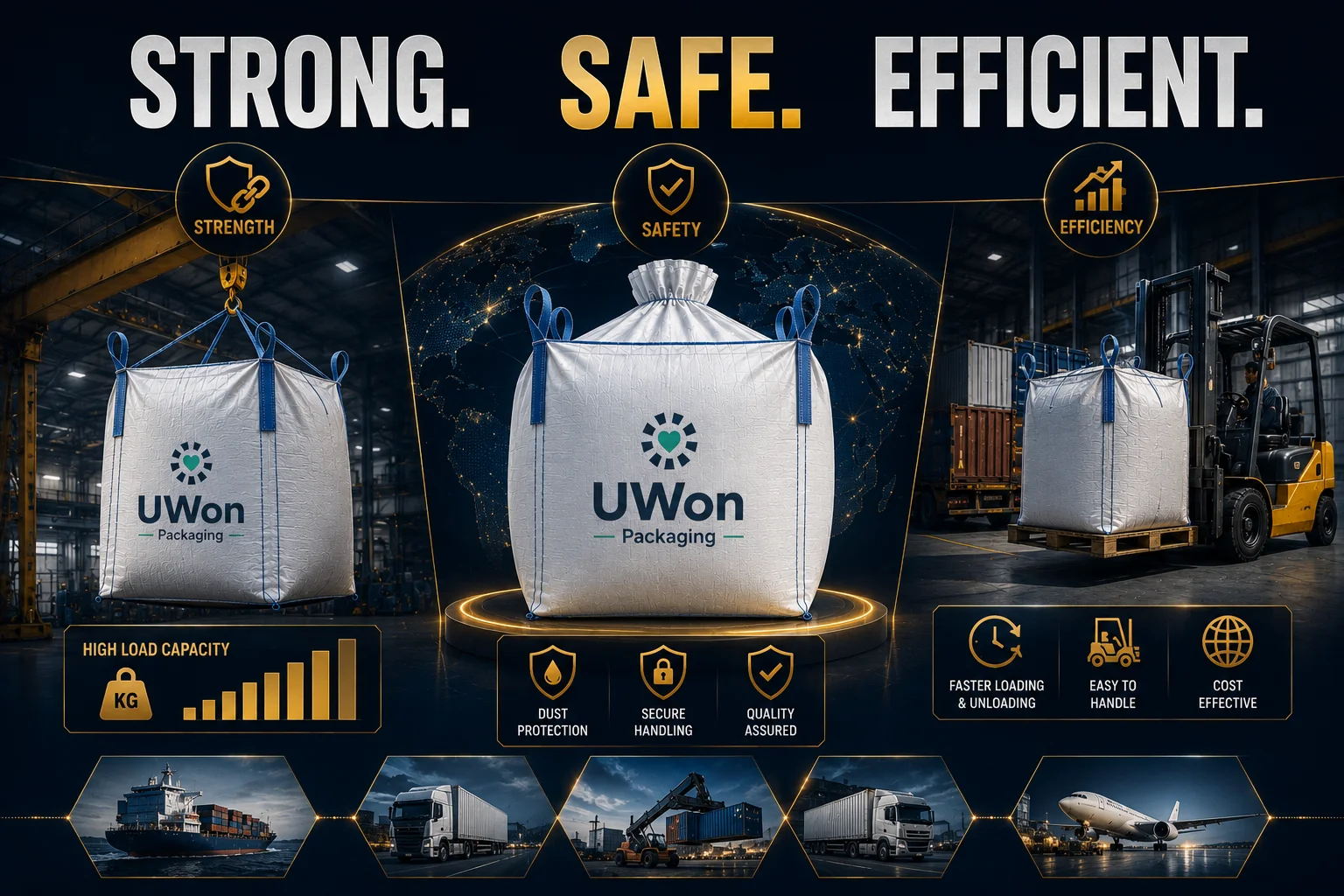
Safety is one of the most important aspects of industrial bulk packaging. High-quality FIBC bags include multiple safety features designed for reliable performance under heavy load conditions.
Proper safety standards help prevent accidents and product loss during transportation and storage.
Important Safety Features
- Reinforced stitching
- Strong lifting loops
- UV protection
- Anti-static fabric
- Load-tested construction
Industrial manufacturers perform strict quality testing to ensure every FIBC bag can safely handle its rated load capacity. Anti-static and conductive bags are also available for industries handling hazardous chemicals and flammable materials.
UV-stabilized fabric improves durability during outdoor storage, while reinforced seams increase structural reliability during lifting operations. Reliable safety features help industries maintain safer workplaces and reduce operational risks.
How to Choose the An FIBC Bags
Understanding what is an FIBC bag is important, but selecting the correct type for your industry is equally essential.
Different materials and handling conditions require different bag specifications.
Factors to Consider
- Material type
- Load capacity
- Storage conditions
- Transportation method
- Safety requirements
Heavy industrial products require stronger woven fabric and reinforced lifting systems for better handling safety. Similarly, moisture-sensitive materials may require coated fabric and inner liners for additional protection.
Businesses should always choose high-quality FIBC bags according to their operational needs and industrial safety standards.Selecting the right bag improves efficiency, product protection, and long-term packaging reliability.
Why Businesses Choose UWON Packaging
Businesses trust UWON Packaging because of its commitment to quality, durability, and industrial reliability.
The company manufactures premium FIBC bags designed for safe and efficient bulk material handling operations.
What Makes UWON Packaging Reliable
- Premium polypropylene materials
- Advanced manufacturing technology
- Strict quality testing
- Customized packaging solutions
- Reliable industrial performance
UWON Packaging provides industrial bulk packaging solutions for agriculture, chemicals, construction, mining, food processing, and other industries worldwide.
By combining advanced manufacturing processes with strict quality standards, the company delivers durable and dependable FIBC bags for demanding industrial applications.
For more information about industrial packaging standards, businesses can also explore Flexible Intermediate Bulk Container Information on Wikipedia.