What Material Is Used in Bulk Bags?
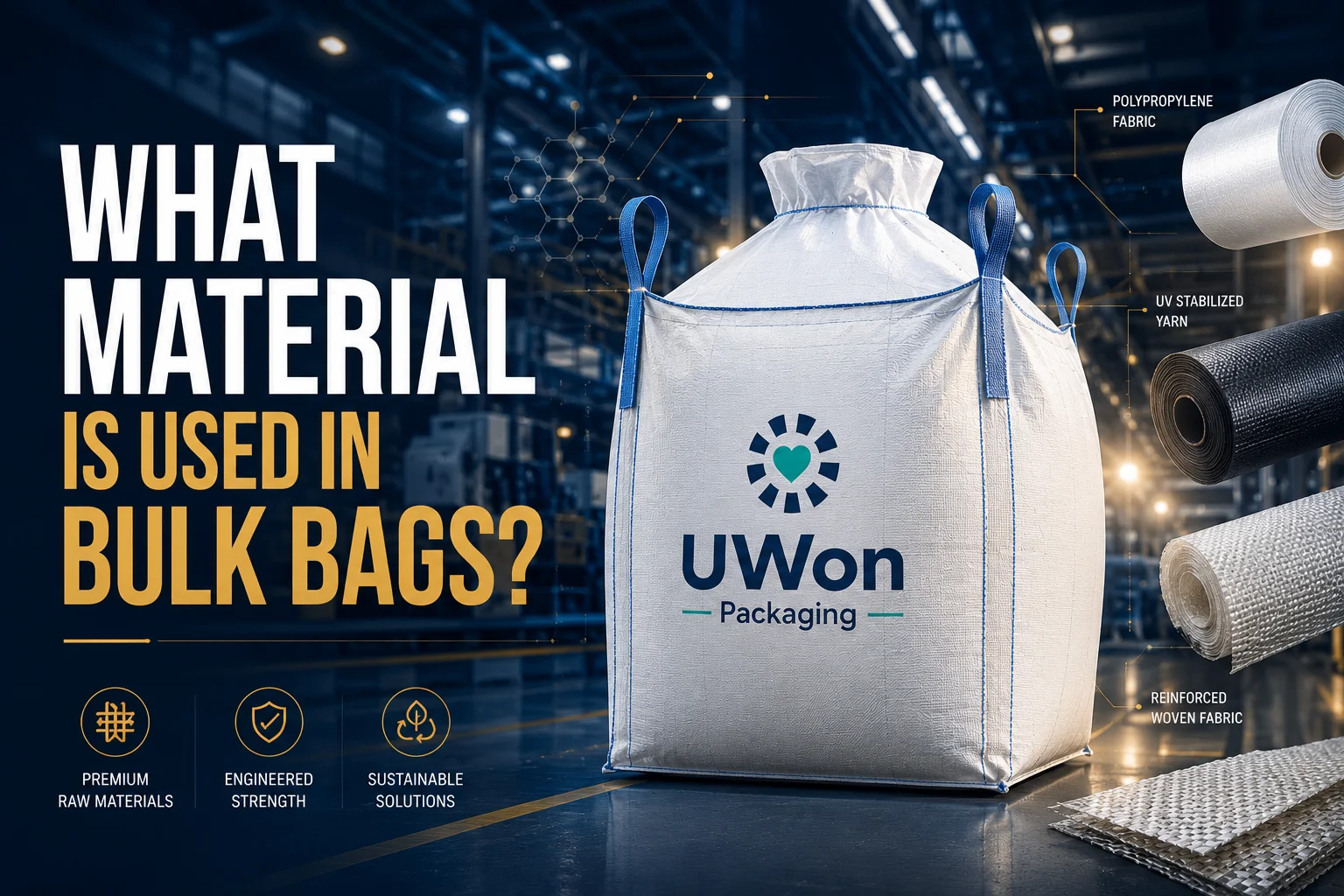
Bulk bags are designed to carry heavy industrial materials safely and efficiently. Their strength, flexibility, and durability mainly depend on the type of material used during manufacturing. Most high-quality FIBC Bag products are made using strong woven polypropylene fabric because it offers excellent load-bearing capacity and long-term industrial performance.
Polypropylene The Primary Material Used in Bulk Bags
Polypropylene is the most commonly used material in FIBC bulk bag manufacturing. It is a lightweight yet extremely durable thermoplastic polymer widely used in industrial packaging applications.
This material provides the strength required to handle heavy bulk loads while remaining flexible and cost-effective.
Why Polypropylene Is Used
- High tensile strength
- Lightweight structure
- Excellent durability
- Moisture resistance
- Cost-effective material
Polypropylene is ideal for industrial packaging because it can withstand heavy weights without tearing easily. Even though the material itself is lightweight, woven polypropylene fabric becomes extremely strong after the weaving process.
Its flexibility also makes handling and storage easier compared to rigid packaging solutions. Industries can transport large quantities of materials efficiently while reducing packaging weight and transportation costs. Another major advantage is moisture resistance. Polypropylene does not absorb water easily, helping protect stored materials from humidity and environmental exposure during storage and transportation.
Because of its balance between strength, durability, and affordability, polypropylene has become the global standard material for bulk bag manufacturing.
Woven Polypropylene Fabric
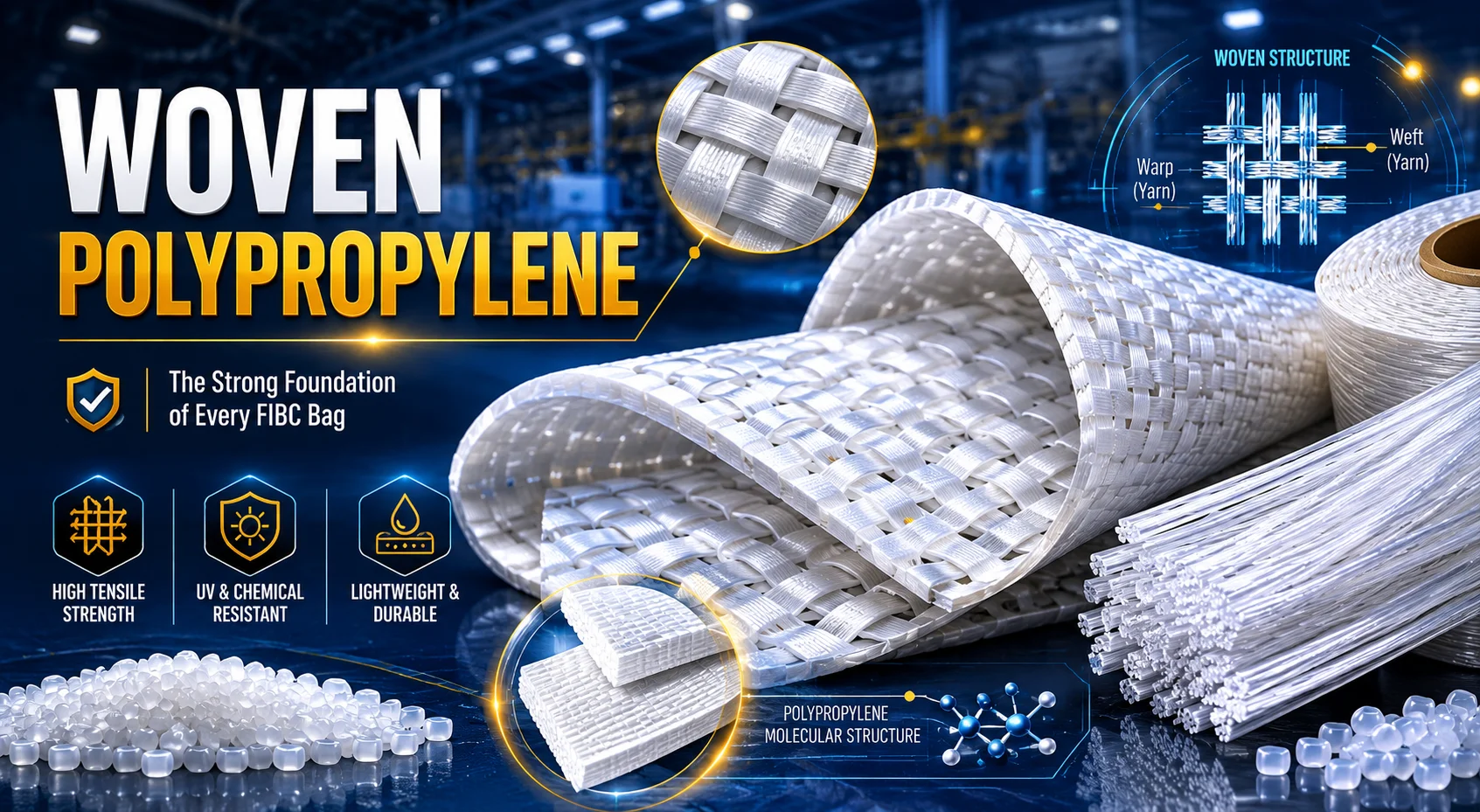
The polypropylene material used in bulk bags is converted into woven fabric by weaving thin polypropylene tapes together. This weaving process creates a strong and durable fabric structure capable of handling industrial loads.
The quality of weaving directly affects the strength and reliability of the final FIBC bag.
Features of Woven Fabric
- Strong load capacity
- Better tear resistance
- Flexible structure
- Improved durability
- Long operational life
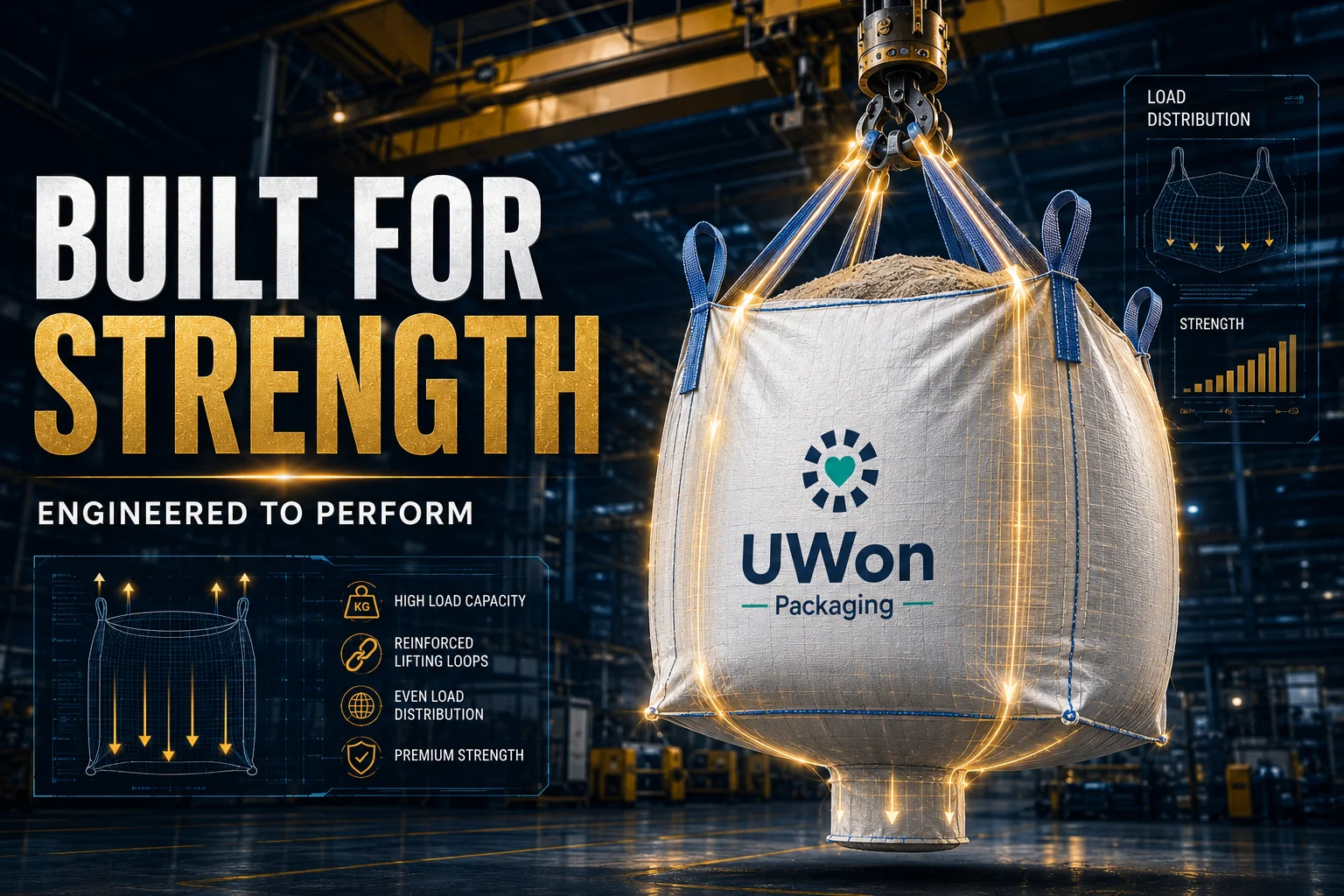
Tightly woven polypropylene fabric helps distribute weight evenly across the entire bag structure. This improves load stability during lifting, stacking, and transportation operations.
High-quality woven fabric also increases resistance against punctures, friction, and rough industrial handling conditions. Poor weaving quality can weaken the bag and increase the risk of failures during use. The fabric thickness and weaving density may vary depending on the intended application. Heavy-duty industrial bags generally use stronger and denser woven material for additional durability.
Reliable woven polypropylene fabric is one of the key factors behind the safety and performance of modern FIBC bags.
UV-Stabilized Polypropylene
Industrial bulk bags are often exposed to sunlight during outdoor storage and transportation. Direct UV exposure can weaken ordinary polypropylene over time.
To solve this issue, manufacturers add UV stabilizers to improve outdoor durability and maintain material strength.
Benefits of UV Stabilization
- Protects against sunlight damage
- Reduces material weakening
- Extends bag lifespan
- Improves outdoor performance
- Maintains structural strength
Ultraviolet rays slowly break down untreated polypropylene fabric, making it brittle and more likely to tear. UV stabilization helps slow this degradation process significantly. Industries such as agriculture, mining, and construction commonly store bulk materials outdoors for extended periods. UV-protected bags provide better reliability in these harsh environmental conditions.
This additional protection helps maintain the bag’s load-bearing performance and improves overall safety during industrial handling operations.
UV stabilization is now considered an important feature in high-quality FIBC bag manufacturing.
Coated and Uncoated Polypropylene Fabric
Bulk bags can be manufactured using either coated or uncoated polypropylene fabric depending on the application requirements.
The choice depends on the type of material being stored and the level of protection required.
Types of Polypropylene Fabric
- Coated woven fabric
- Uncoated woven fabric
- Laminated fabric options
- Moisture-resistant material
- Breathable fabric designs
Coated polypropylene fabric includes an additional lamination layer that improves moisture resistance and prevents leakage of fine powders. This type is commonly used for chemicals, fertilizers, and powdered materials.
Uncoated fabric allows better airflow and ventilation, making it suitable for agricultural products and materials that require breathability. Selecting the correct fabric type helps improve product protection, storage efficiency, and transportation safety for different industrial applications.
Manufacturers often customize fabric properties based on customer and industry requirements.
Additional Materials Used in Bulk Bags
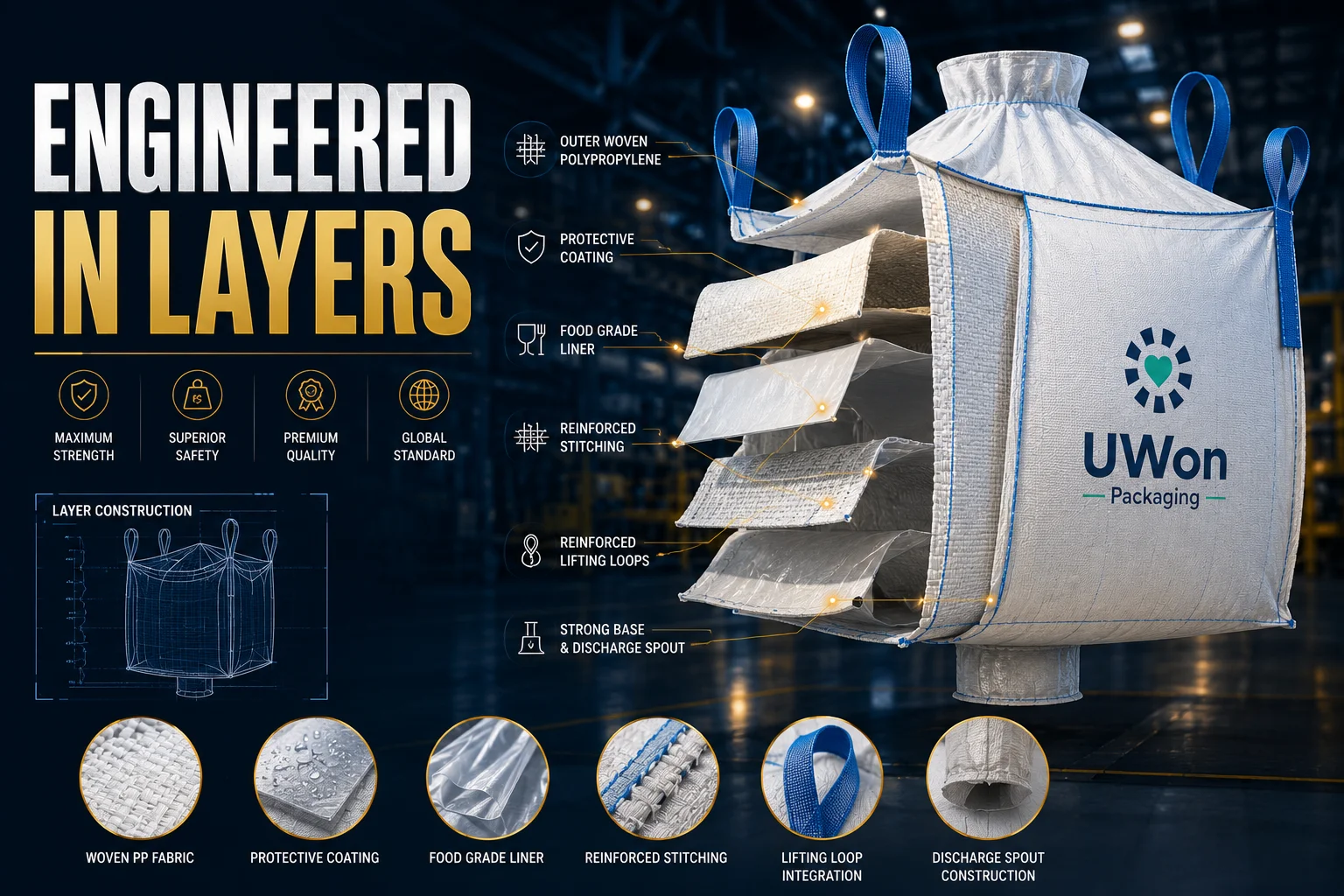
Although polypropylene is the primary material, some FIBC bags include additional components to improve functionality and safety.
These materials are added depending on industrial usage and packaging requirements.
Additional Components
- PE liners
- Conductive threads
- Anti-static materials
- Reinforced webbing
- Food-grade inner liners
Polyethylene liners are commonly added inside bulk bags to provide extra moisture protection for sensitive materials. Food-grade liners help maintain hygiene standards for food and pharmaceutical applications.
Conductive threads and anti-static materials are used in specialized FIBC bags designed for hazardous environments where static electricity can create safety risks.
Reinforced webbing materials improve lifting loop strength and handling durability during heavy industrial operations.
These additional materials help customize FIBC bags for specific industrial applications and improve overall packaging performance.
Why Material Quality Matters in Bulk Bags
The quality of material directly impacts the strength, safety, and lifespan of a bulk bag. Poor-quality materials can fail under pressure and create major operational problems.
High-quality raw materials ensure reliable industrial performance and safer bulk handling operations.
Problems with Low-Quality Materials
- Reduced load strength
- Higher tearing risk
- Poor outdoor durability
- Increased product leakage
- Shorter bag lifespan
Weak materials are more likely to fail during lifting, stacking, or transportation, leading to product loss and workplace safety risks.
High-quality polypropylene fabric improves operational reliability and reduces replacement costs over time. Industrial businesses depend on strong packaging materials because even small failures can affect supply chain efficiency and customer satisfaction.
Choosing premium material quality is essential for long-term industrial packaging performance.
Why Businesses Choose UWON Packaging
Businesses trust UWON Packaging because of its commitment to using premium-quality raw materials and advanced manufacturing standards.
The company manufactures durable FIBC bags designed for strength, safety, and industrial reliability.
What Makes UWON Packaging Reliable
- Premium polypropylene materials
- Advanced weaving technology
- Strict quality testing
- Customized packaging solutions
- Reliable industrial performance
UWON Packaging focuses on producing high-strength bulk bags that meet the requirements of industries including agriculture, chemicals, construction, minerals, and food processing.
Every bag is manufactured with attention to material quality, durability, and handling safety to ensure long-term performance under demanding industrial conditions. Reliable raw materials combined with strict quality standards help deliver dependable packaging solutions for bulk material transportation and storage.
Most modern FIBC Bag products are manufactured using woven polypropylene fabric because of its excellent strength, flexibility, and durability. Additional features such as UV stabilization, coated fabric, liners, and anti-static materials further improve performance for specialized industrial applications.
The quality of material used in bulk bags directly affects safety, reliability, and operational efficiency. Choosing high-quality FIBC bags made with premium raw materials helps businesses ensure safer and more efficient bulk material handling operations.